
Saturday 2 May 2026
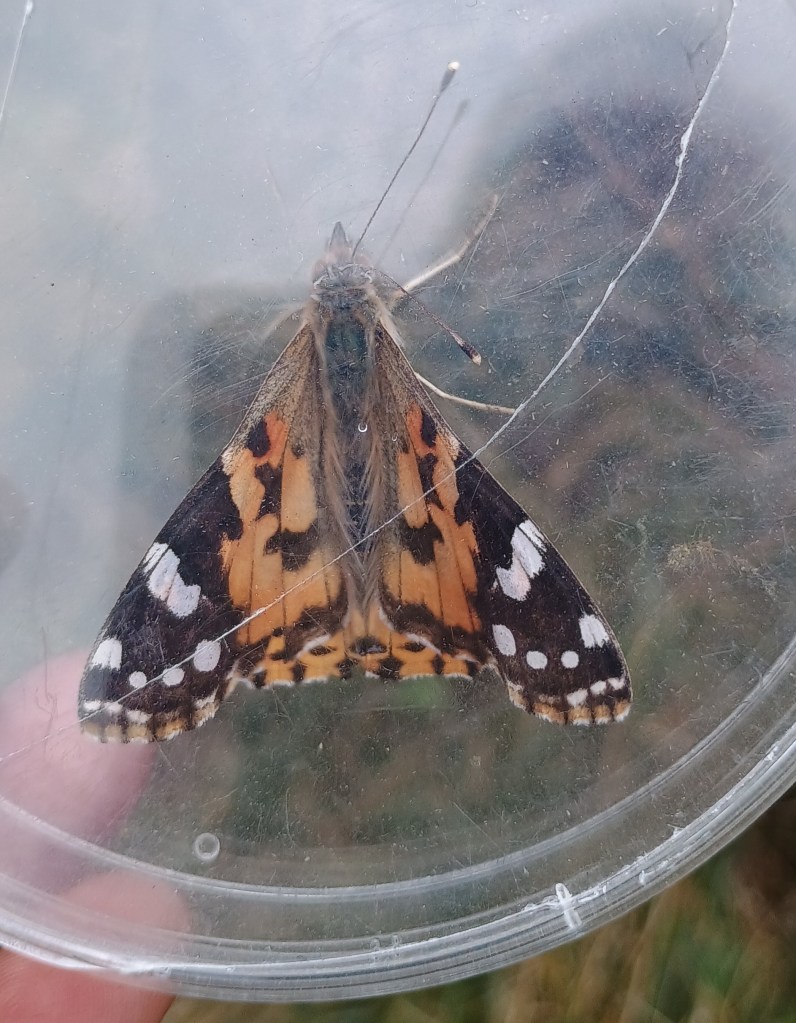
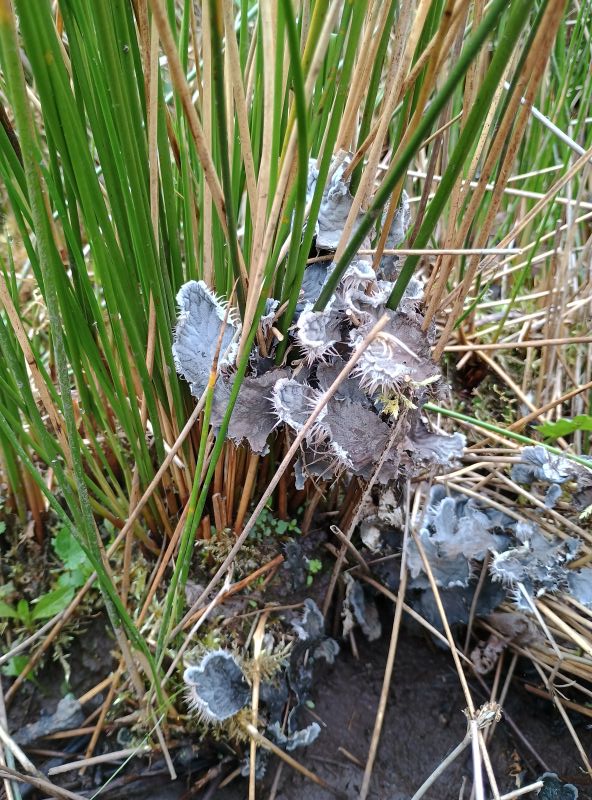
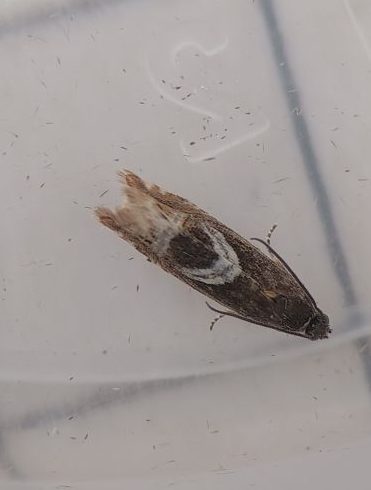
A combined group of Paisley and Glasgow Natural History Societies joined the outing round Jenny’s Well Nature Reserve. We began in the wetland area which is at the site of a former quarry, later used for landfill, and now capped over and filled with grassland, woodland and wetlands which are home to a variety of amphibians and aquatic insects. Immediately we were impressed to find a Painted Lady butterfly (Vanessa cardui), quite early in the year for adults to be flying. We also found a number of Lady’s Smock (Cardamine pratensis) flowers with Orange Tip butterfly eggs. A few tadpoles were seen but no adult frogs or newts, although they are known to be here. Another interesting find was a very robust Dog Lichen (Peltigera sp.) growing out of a mossy tuft of Soft Rush, and a moth of wet grassland, Grapholita jungiella.
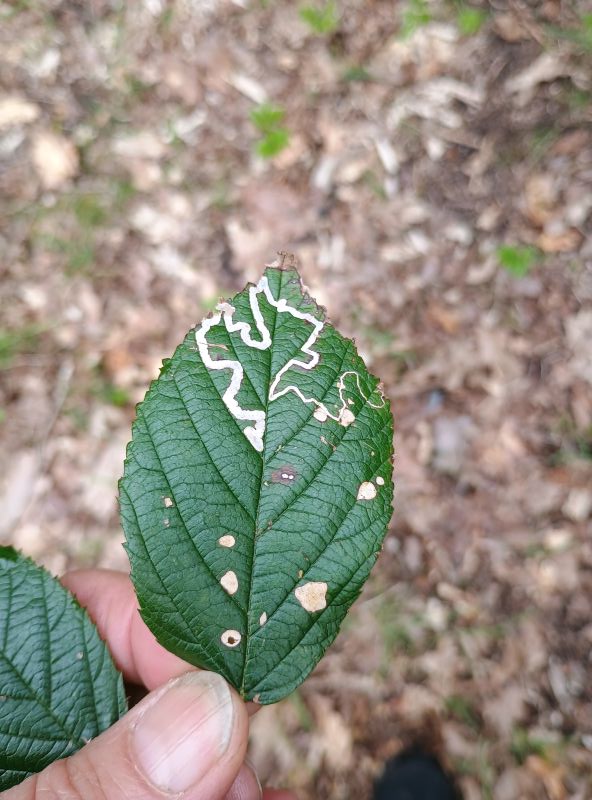
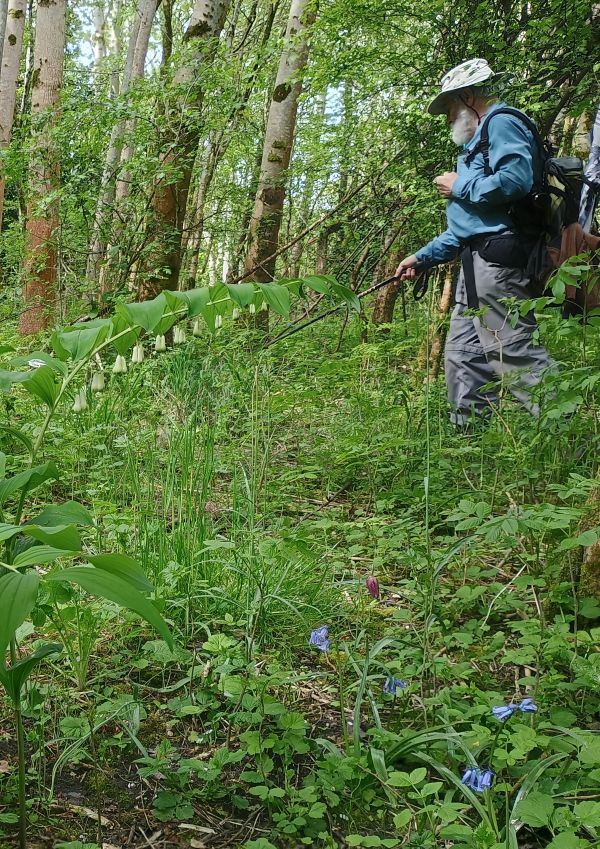
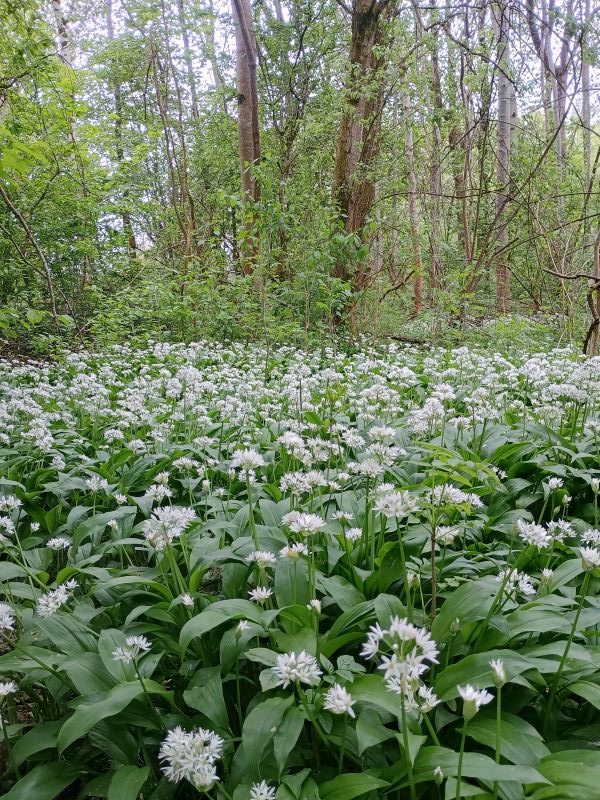
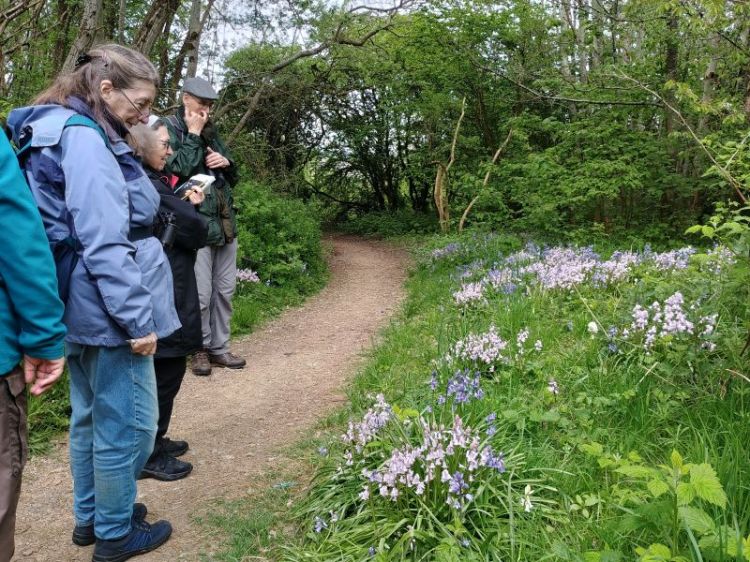
We then walked through a woodland of predominantly Hawthorn (Crataegus monogyna), Ash (Fraxinus excelsior) and Hazel (Coryllus avellana) but also with a few less common species, including a Narrow-leaved Ash (Fraxinus angustifolia) and an unidentified Crab Apple which was covered in a profusion of pure white, single flowers. We walked around the playing field area and stopped for lunch at the picnic benches next to the Friends of Jenny’s Well container with its stunning murals of local wildlife. We then continued our walk along another woodland path where one of our sharp-eyed members spotted a Speckled Wood butterfly (Fraxinus angustifolia) at rest in the tree canopy. Some of the bramble leaves along this path contained leaf mines which, as we were reliably informed, were created by Golden Dot moth larvae (Stigmella aurella). We also heard Blackcaps (Sylvia atricapilla) and Chiffchaffs (Phylloscopus collybita) singing in the trees. This woodland had a diverse variety ground layer plants including Bugle (Ajuga reptans), Wild Garlic (Allium ursinum), Native Bluebell (Hyacinthoides non-scripta) and Spanish Bluebell (Hyacinthoides hispanica), Snakeshead Fritillary (Fritillaria meleagris), Solomon’s Seal (Polygonatum multiflorum), and Fringe Cups (Tellima grandiflora), some of which were wild, and others introduced as fly-tipped garden waste or planting by Friends of Jenny’s Well.
Further along the path we saw a number of cultivated fruit species, including Raspberry (Rubus idaeus), Gooseberry (Ribes uva-crisp), Blackcurrant (Ribes nigra) and Redcurrant (Ribes rubrum), all vestiges of the allotments that existed there in the 1940s-50s. Too early for picking the fruit yet though.
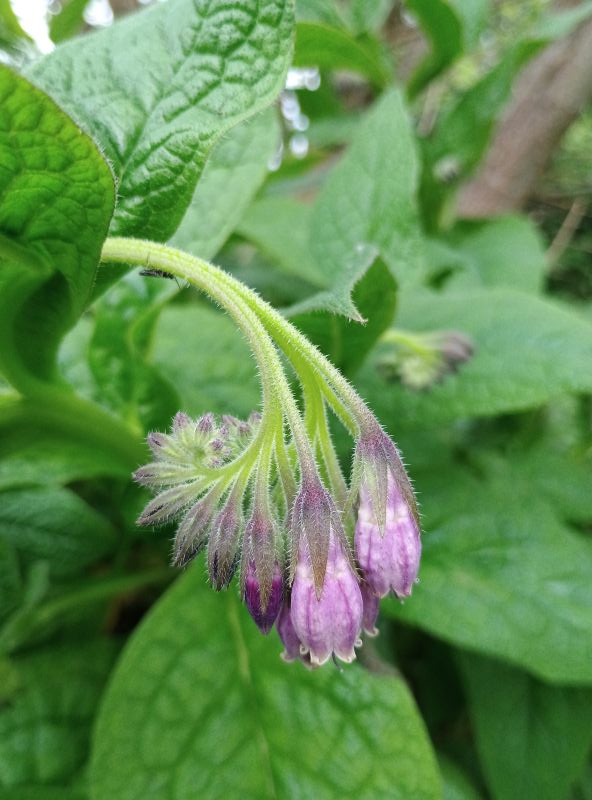
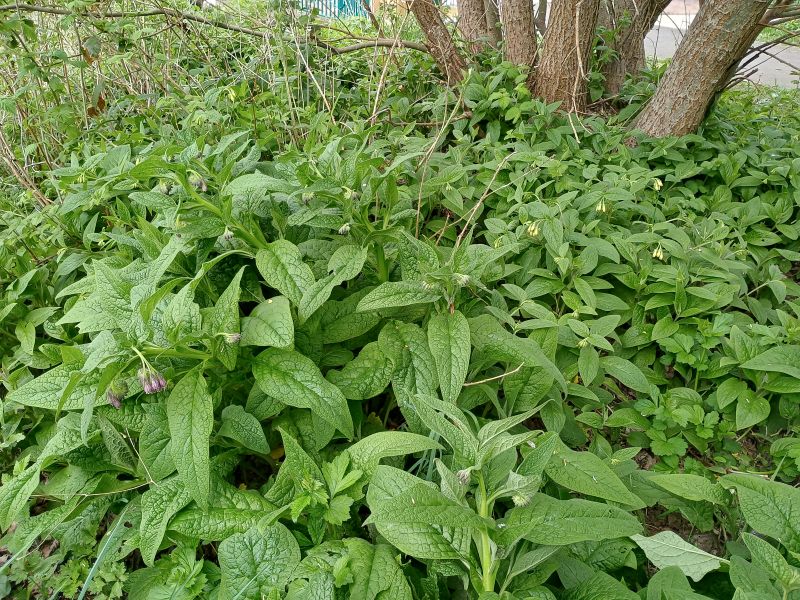
The walk curved back to the main path past an embankment with an assortment of willow trees and ferns. There were leaves and catkins on the trees, so an ideal time to try and identify them, but without any willow expertise to hand, we walked on and rejoined the main path then continued down to the footbridge at the White Cart. Both Tuberous Comfrey (Symphytum tuberosum) and Common Comfrey (Symphytum officinale) were in flower there, which gave us an ideal opportunity to examine the different characteristics of them side-by-side.
It had been an interesting day seeing a site with a checkered history and the impact that has had on the botany of the different habitats. It had everything: natives and non-natives, invasives and non-invasives, naturally occurring, garden escapees and deliberately planted species. A real cornucopia of nature.
Report and photographs by Kirsty Menzies
 Paisley Natural History Society