
Butterfly Conservation are running a couple of Bog Squad work parties at Sergeantlaw Moss this winter and looking for volunteers to come along and help out.
Weather permitting the days are:
Saturday 2nd December
and
Saturday 13th January
Time: 10am – 3pm (but leaving early is not a problem)
Tools are supplied and gloves if you want them, but you will need wellies for this bog and a packed lunch.
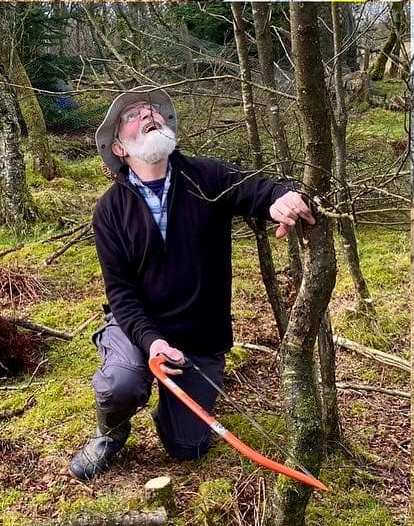
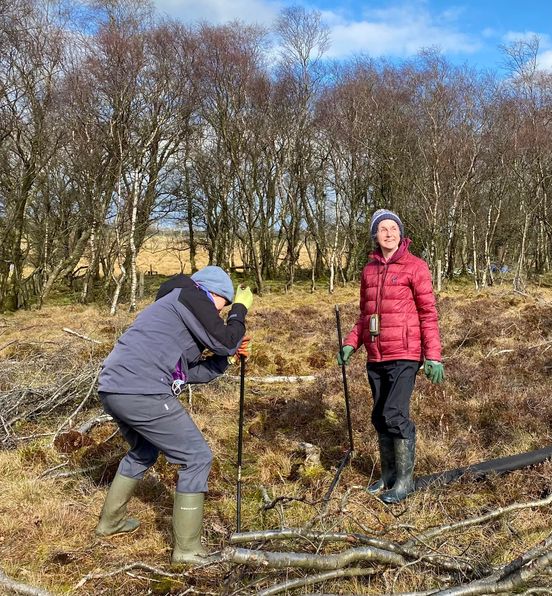
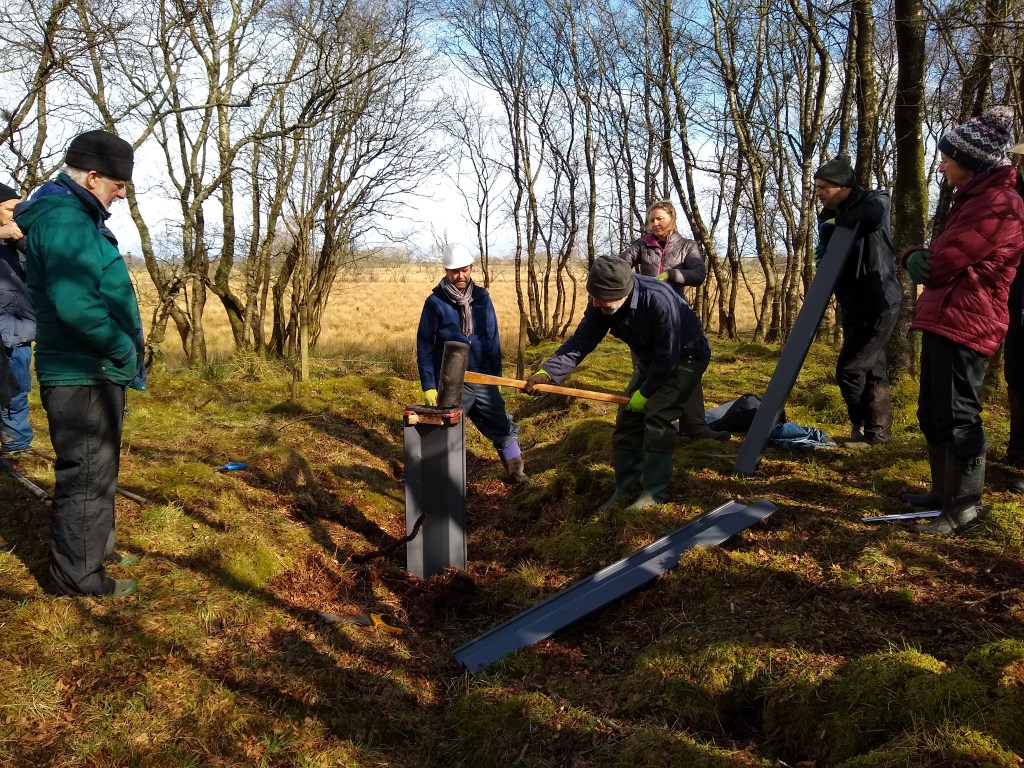
The objective of the work parties is to benefit the Large Heath butterfly (Coenonympha tullia) population at this site by clearing the encroaching birch. Trees dry out raised bogs, killing the plants there which need wet, boggy conditions to survive.
Large Heaths are specific to bog habitats as they lay their eggs on bog cotton plants, mainly Hare’s-tail Cottongrass (Eriophorum vaginatum), and the adults nectar mainly on flowers of Cross-leaved Heath (Erica tetralix). Their numbers in the UK have declined by almost 60% since the 1970s and they are now a priority species for biodiversity action and conservation.
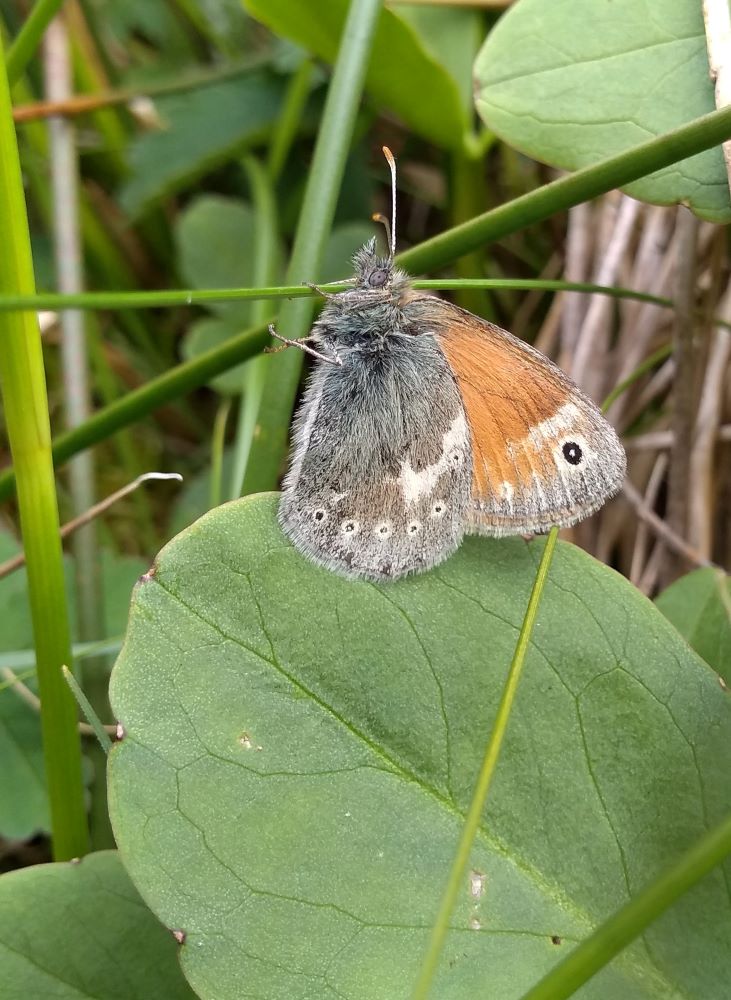
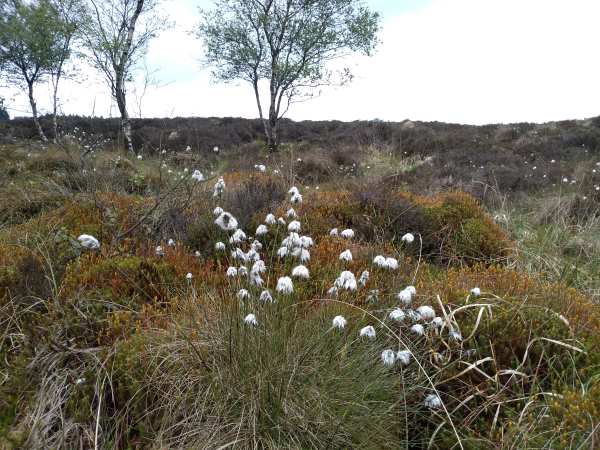
Sergeantlaw Moss is a Site Important for Nature Conservation (SINC) and one of the sites mentioned in Dave Mellor’s article on the Peatlands of Gleniffer. The Bog Squad did some work on the site about 5 years ago, but seedlings are coming up again and it is easier to get them out when they are small and the bog is wet. PNHS member Gordon Philips was involved then and says:
From experience I can tell you it is fairly hard work but fun and rewarding.
Gordon Philips, PNHS member and Bog Squad volunteer
If anyone is interested in coming along please get in touch.
 Paisley Natural History Society
Found this moth in the bedroom. Any thoughts please on whether it will survive outside or will it eat my woolly jumpers? Thanks Kitty
Sent from my Galaxy
LikeLike
If you have a photo of the moth and can email it to us we can try and identify it. It may have come into your house to hibernate and is unlikely to survive if disturbed and put outside. It is only the larvae of a few species of moths that eat wool. If you search “clothes moth” you will find photos of them. It’s not just clothes at risk from those as the larvae will eat other natural fibres. I once had an infestation of case-bearing clothes moths that left bald patches in my carpet. Hopefully though your wooly jumpers are safe!
LikeLike