
Plans for outings are always at the mercy of the weather at this time of year. However, on the morning of the 30th December, the weather looked promising, some sleat was forecast but otherwise it was a dry, clear day. Seven people showed up looking forward to hunting for for wild plants in flower around Oakshaw, Paisley.
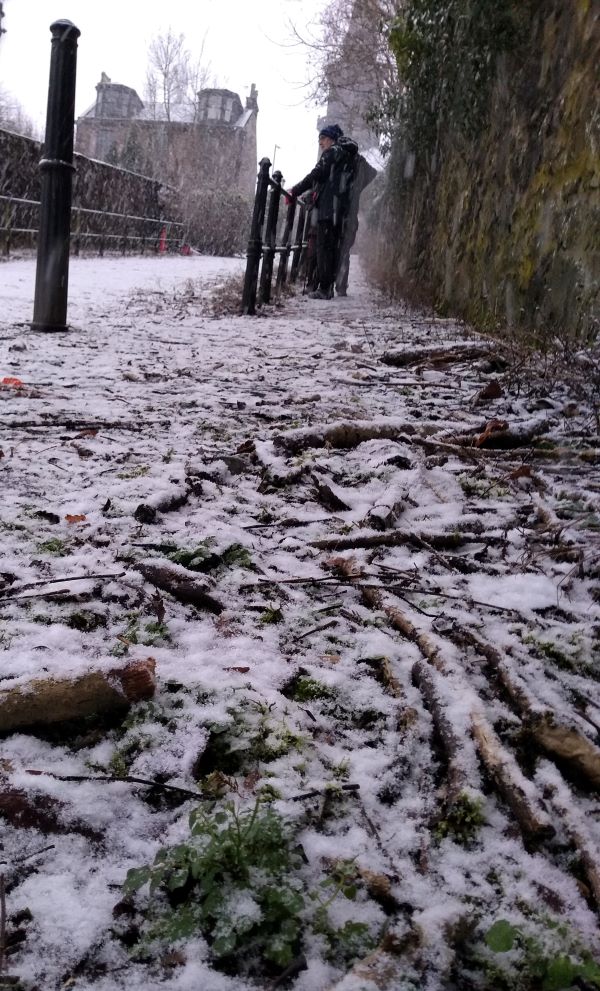
Right on cue, as we were about to start, snow started falling thick and heavy. Stoney Brae was very quickly becoming ‘snowy brae’ and any wildflowers were being covered over. We admitted defeat and retreated to a nearby cafe.
The weather the following day was beautiful and so a last-minute walk was arranged and between four of us we managed to find ten species in flower around Oakshaw. The stone walls and cobbled lanes of this old part of town are an ideal place to look for wild plants in flower as they are sheltered and the stone retains the heat. There is also additional heat given off by the high concentration of shops, offices and residential buildings.
Within minutes of heading off we had found our first flowers, Annual Meadowgrass (Poa annua), Thale Cress (Arabidopsis thaliana), Groundsel (Senecio vulgaris) and Hairy Bittercress (Cardamine hirsuta). Often ivy can be found in flower in winter and we carefully examined the ivy growing over the walls but no flowers were seen. We had more success in Orr Street where the narrow stone lane was harbouring two species of Sow-thistle in flower, the Prickly (Sonchus asper) and Smooth (Sonchus oeracea). The pretty, purple flowering, Ivy-leaved Toadflax (Cymbalaria muralis) was also found in flower growing out of the old stone walls.
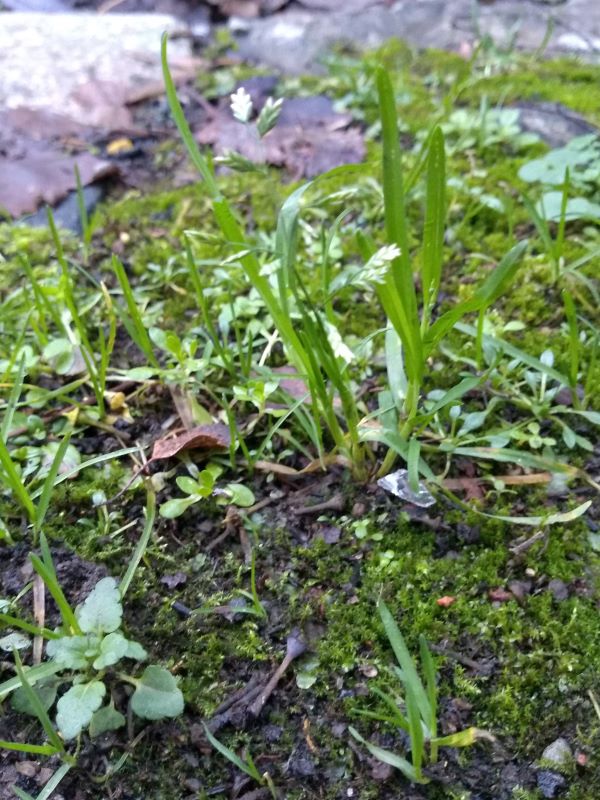

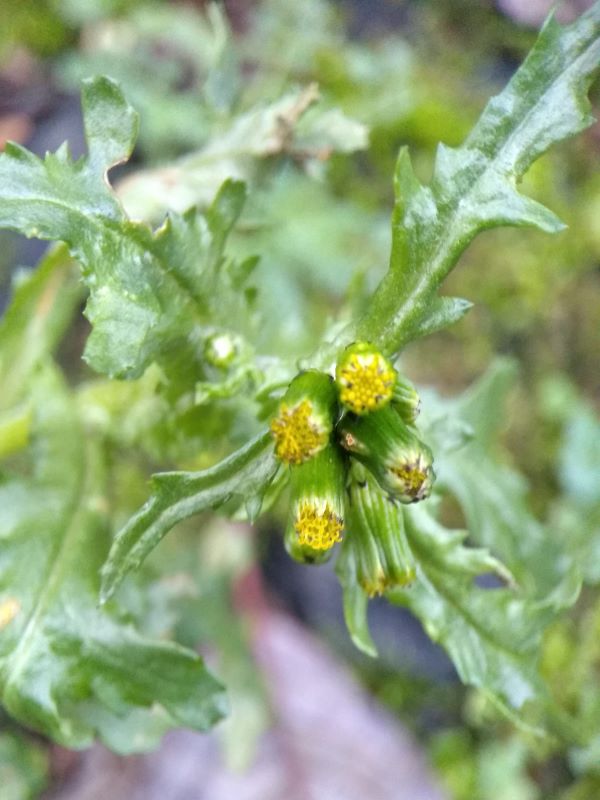
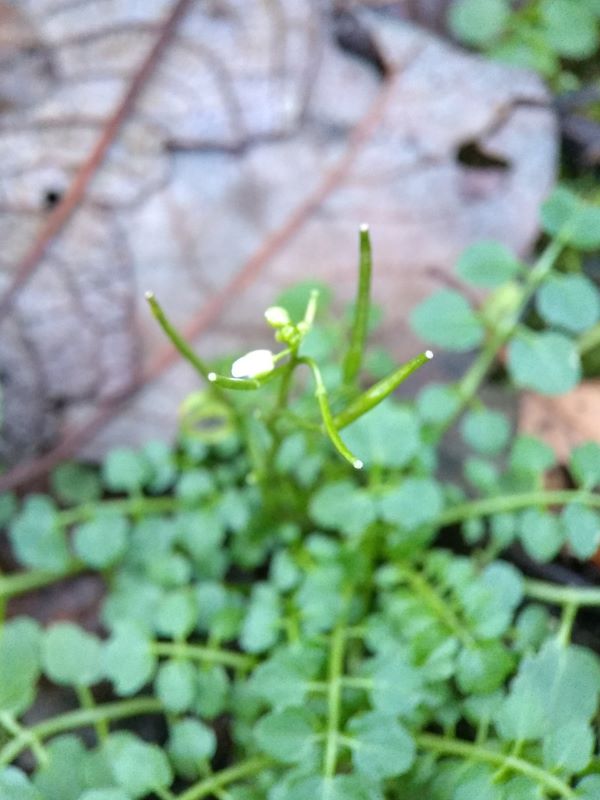
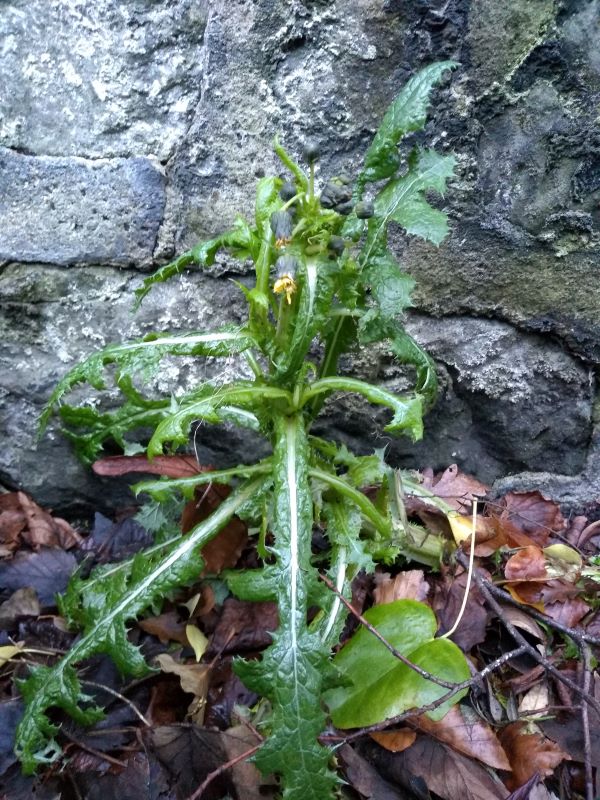
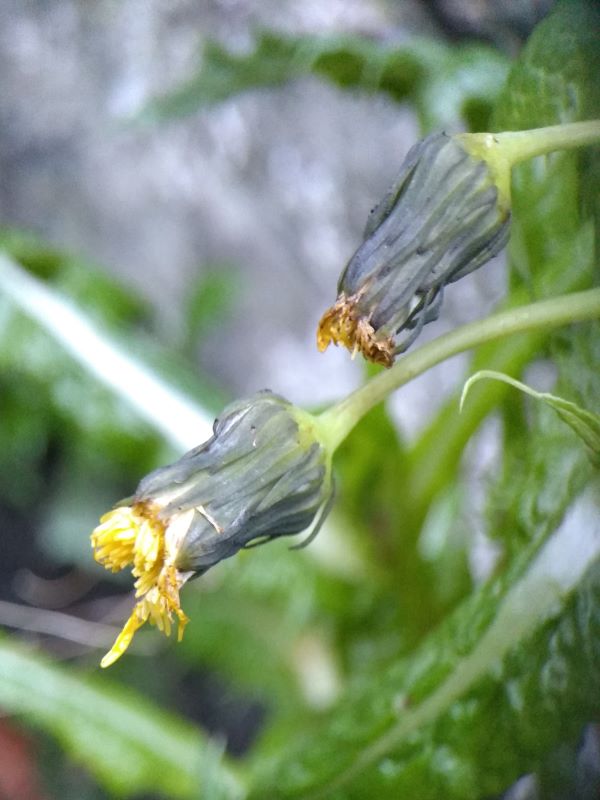
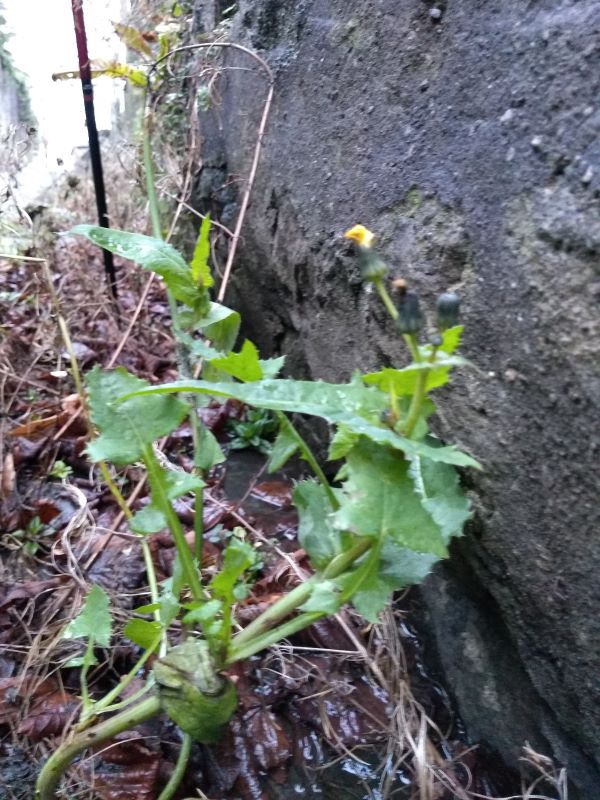
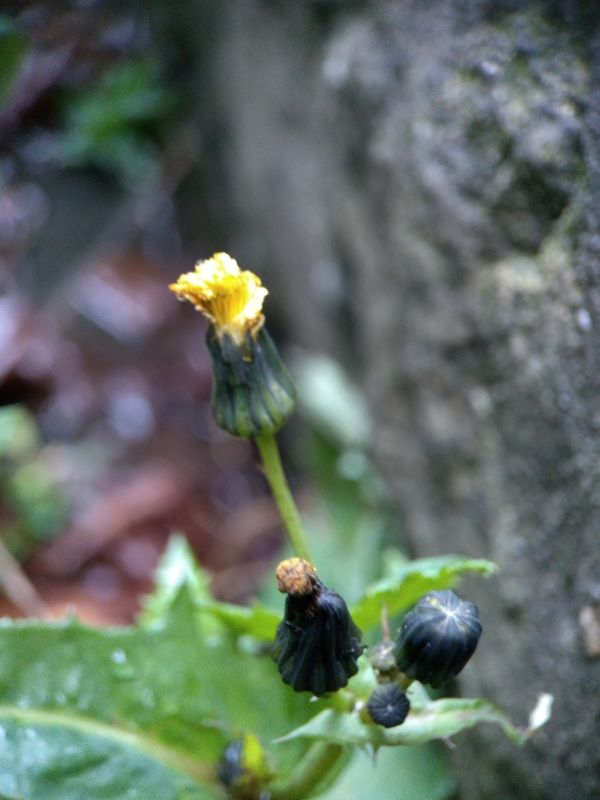
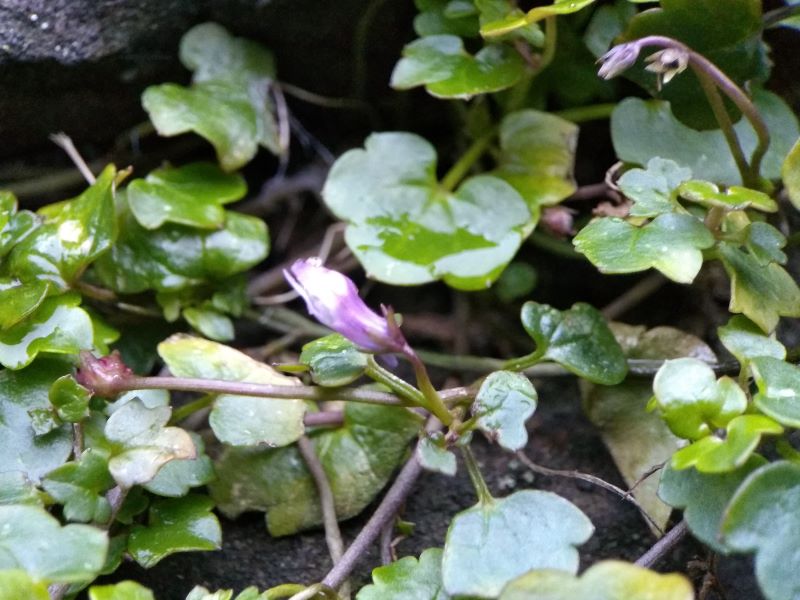
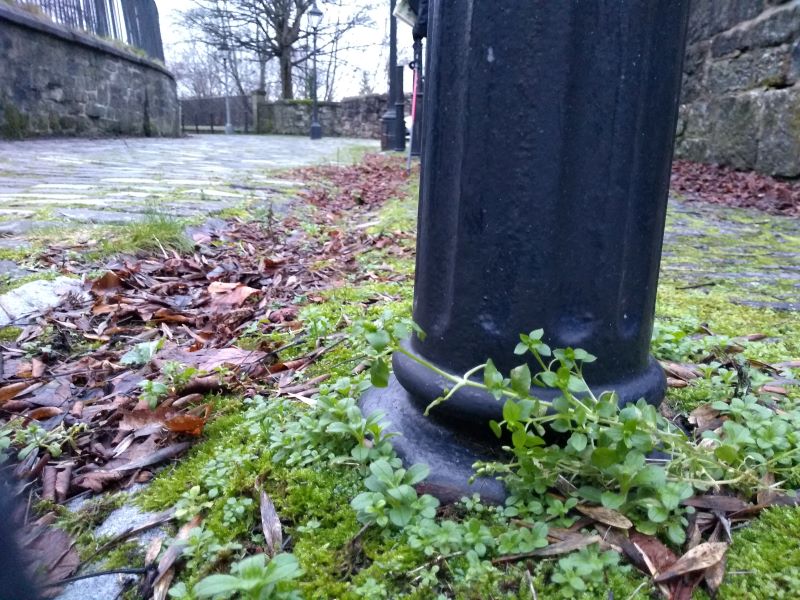
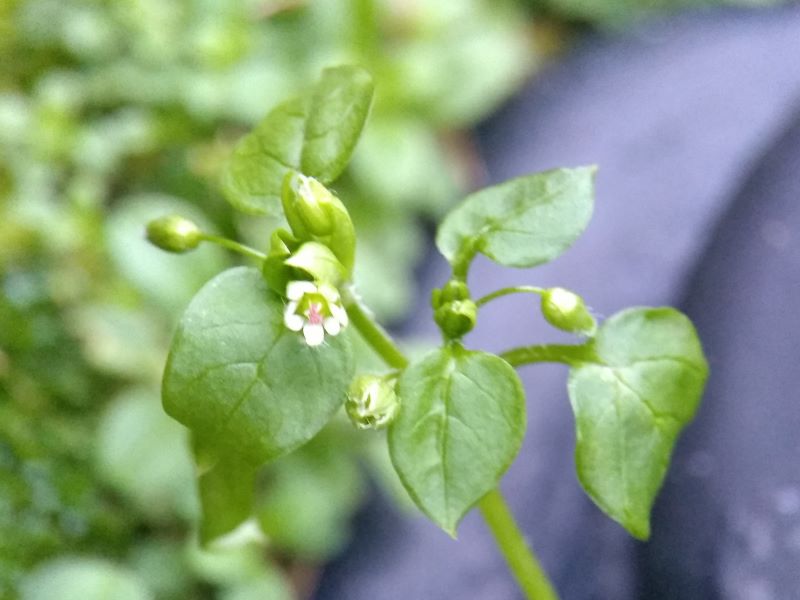
In the lanes around the old John Neilson Institute we found Common Chickweed (Stellaria media) and in the derelict ground below was Gorse (Ulex europaeus) and Pineappleweed (Matricaria discoidea), all in flower. The warming effect of the black metal bollard was clear to see from the cluster of wild plants around it. But we were not feeling the warming effect and it was starting to get quite cold so we called it a day. Finding 10 species flowering within a half mile stretch was a good result.
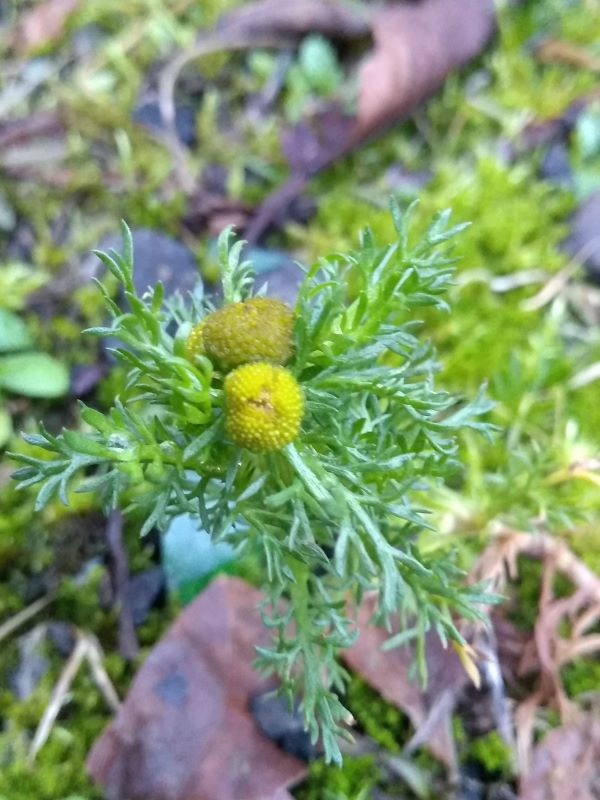
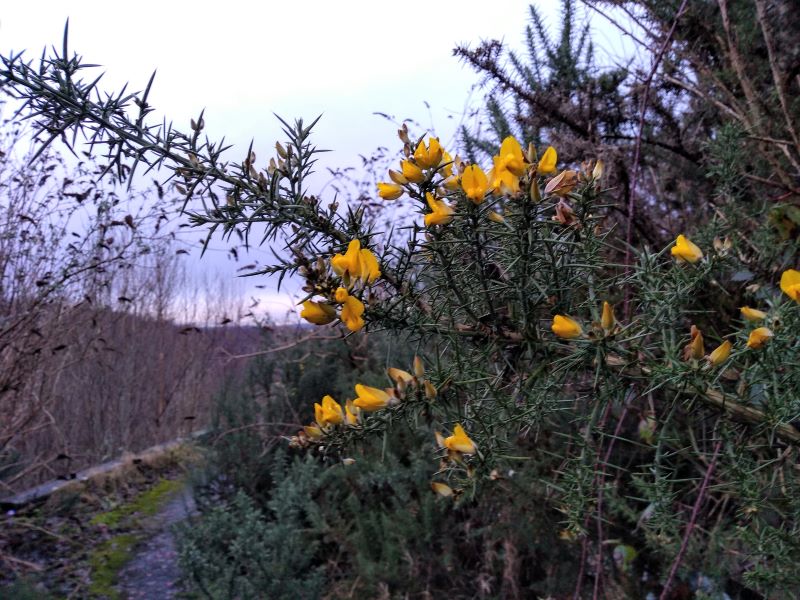
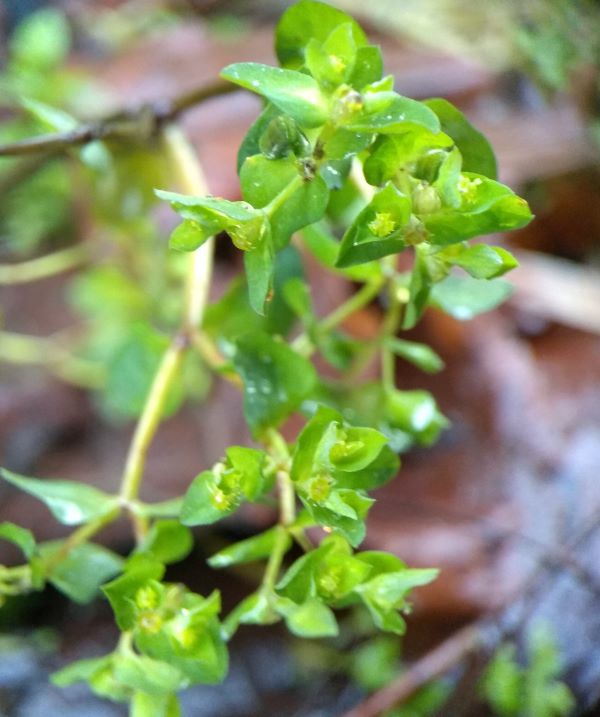
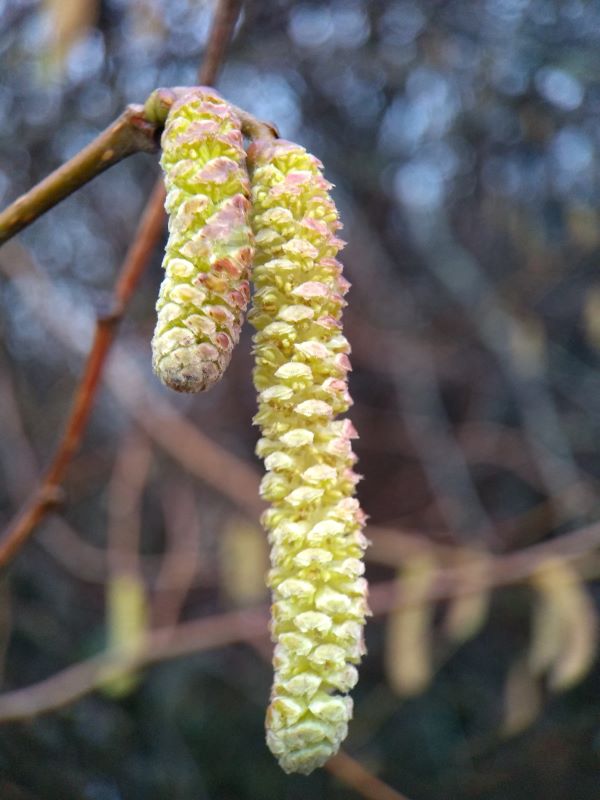
On the 2nd of January I headed out on a plant hunt at Lochwinnoch led by Jim Blackwood. It was another beautiful day and we covered a lot of ground and managed to find 19 species in flower around the village. All of the ones we found flowering in Paisley we also found flowering at Lochwinnoch, with the exception of the Common Chickweed. In addition we found Daisy (Bellis perennis); Shepherd’s Purse (Capsella bursa-pastoris); Wavy Bitter-cress (Cardamine flexuosa); Sticky Mouse-ear (Cerastium glomeratum); Hazel (Corylus avellana); Petty Spurge (Euphorbia peplus); Wood Avens (Geum urbanum), Barren Strawberry (Potentilla sterilis); Dandelion (Taraxacum agg.); Snowdrops (Galanthus sp); Himalayan Honeysuckle (Leycesteria formosa). Although the last two species were typically garden plants we were able to include them as they were obviously naturalised and growing wild in the setting where we saw them.


All results were submitted using the BSBI New Year Plant Hunt app and will be included in the results for the whole of Britain. Records are still being sent in but you can see the results so far on the BSBI NYPH results page.
Kirsty Menzies
 Paisley Natural History Society
Well done for braving the cold & recording so many species !
LikeLike
Thanks Pauline. It was great fun looking for them and it wasn’t too cold until the sun got lower in the sky.
LikeLike