The autumn colours have been glorious over the last few weeks not just the turning leaves but also colours from more unexpected places.
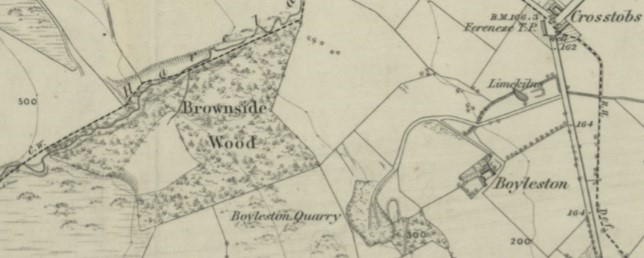
Last week when out on a walk in the Fereneze Braes at Barrhead, heading towards Boylestone Quarry, I passed the line of ancient Beech trees marking the boundary of what used to be Brownside Wood. Although most of the ancient woodland is gone, and the area become woody scrub, these few vestiges still remain.
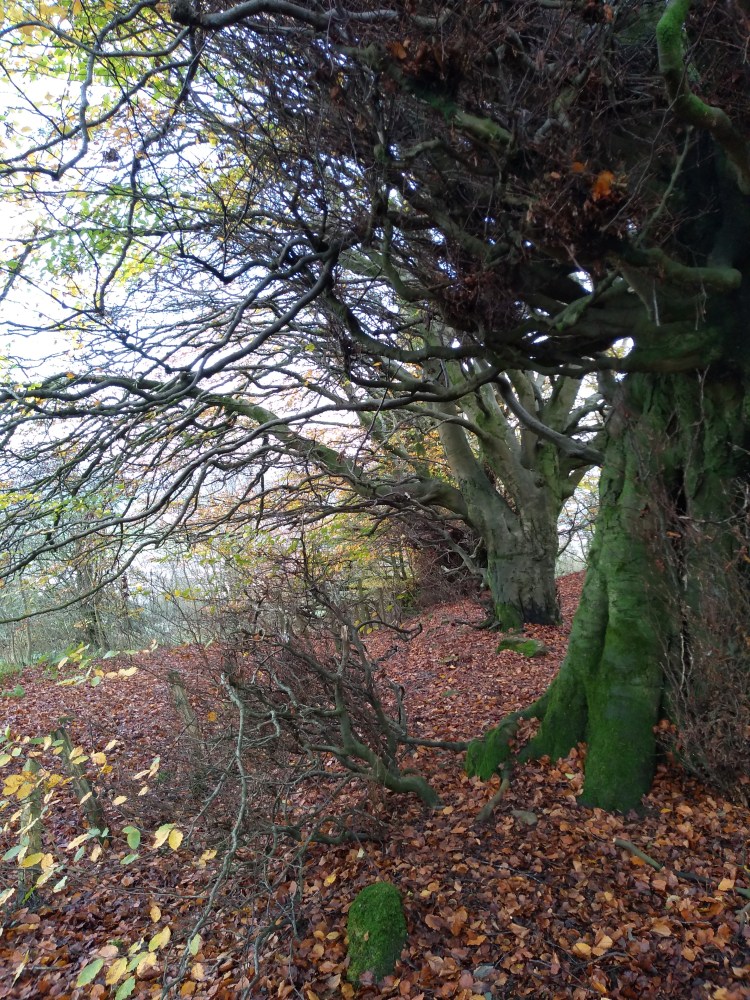
Tragically, as a result of mindless vandalism, one of the Beech trees was felled before its time in 2018. It saddened me at the time to see such a beautiful tree laid to waste. But gradually, over the years, the tree has come back to life and brought with it new forms of autumn colour.
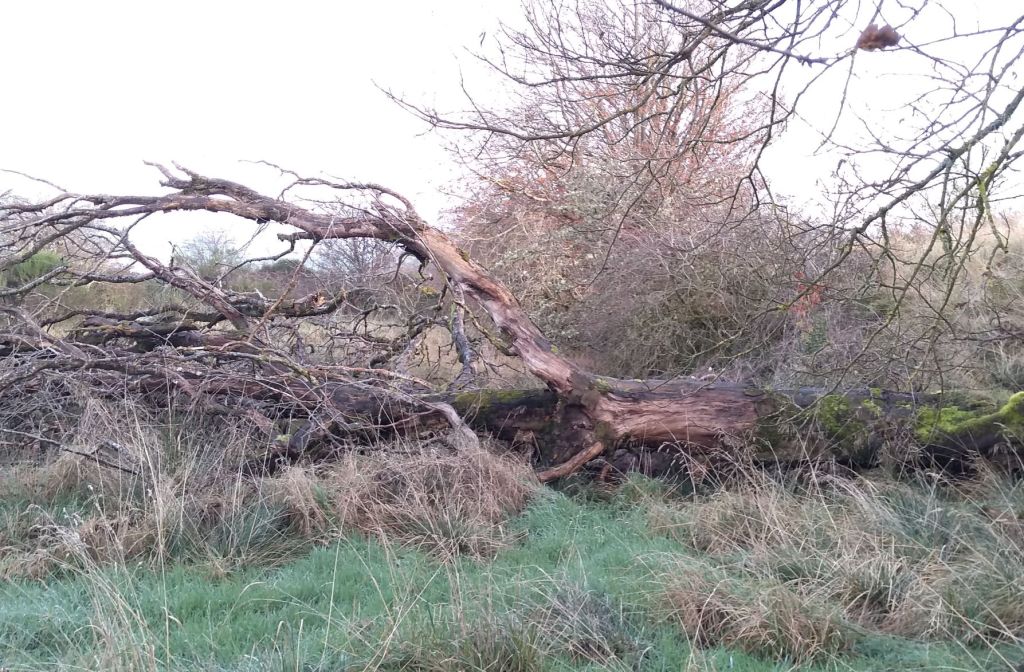
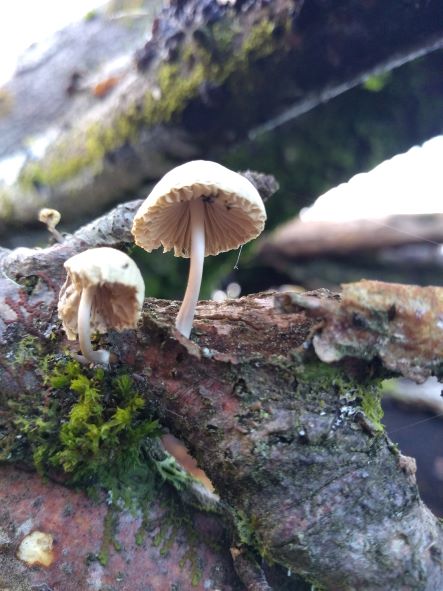
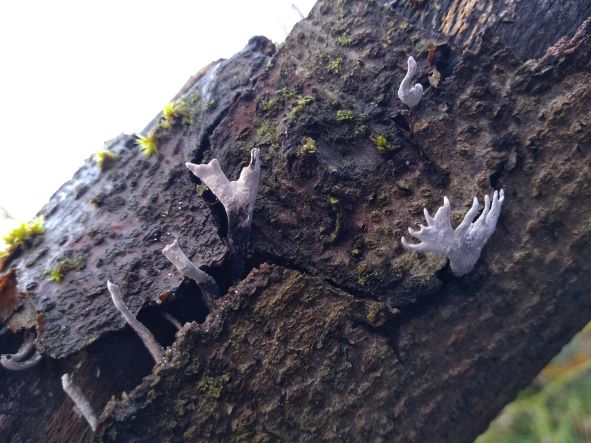
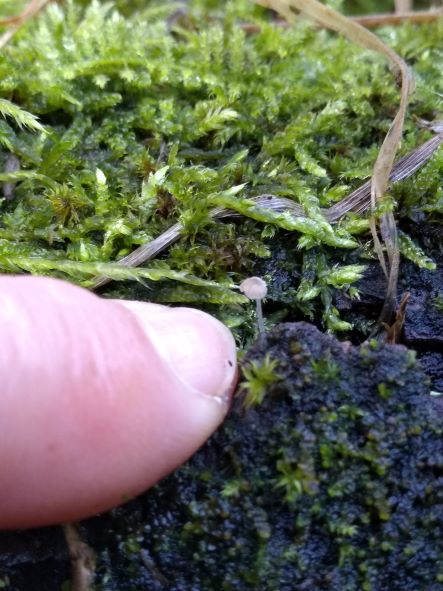
Mosses, lichens, fungi, bacteria and other micro-organisms have now taken hold and are feasting on the hardwood. Much of this occurs unseen within the wood itself but erupts in a blaze of colour as fruiting bodies emerge at the surface.
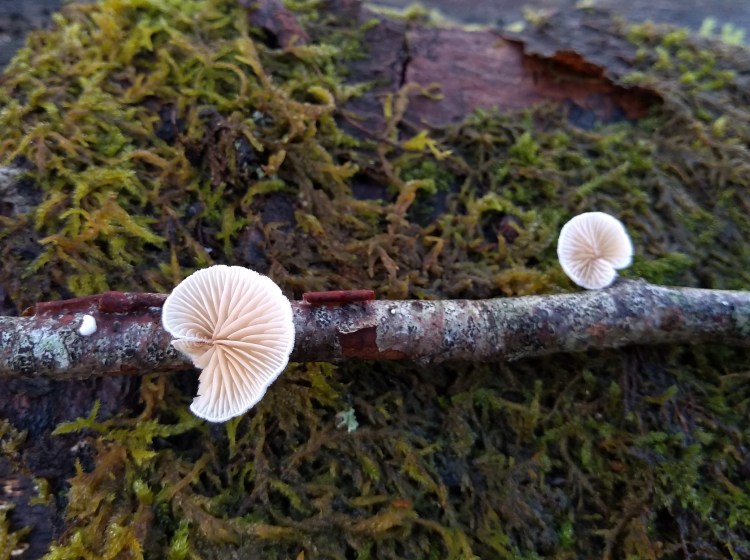
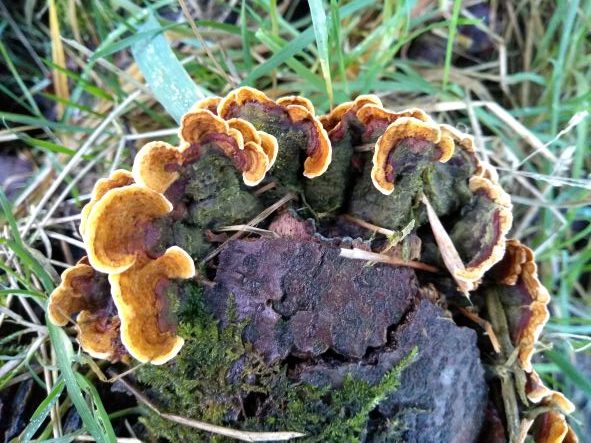
The tiny and delicate kidney-shaped Variable Oysterling (Crepidotus variablis) decorate the smallest of twigs while bracket fungi form tiers around the thicker branches. These include Turkeytail (Trametes versicolor) with its velvety semi-circles of concentric rings in shades of brown with a cream margin. Also, often mistaken for Turkeytail, the Hairy Curtain Crust (Stereum hirsutum) with its more orangey concentric rings and wavy layers.

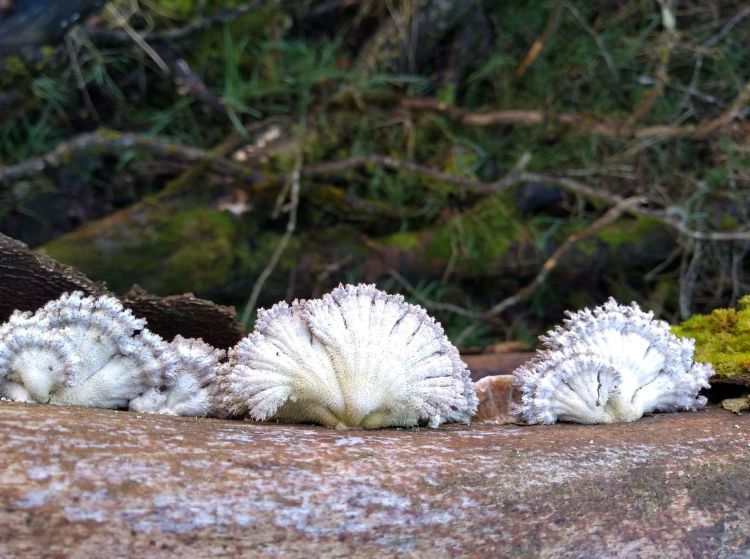
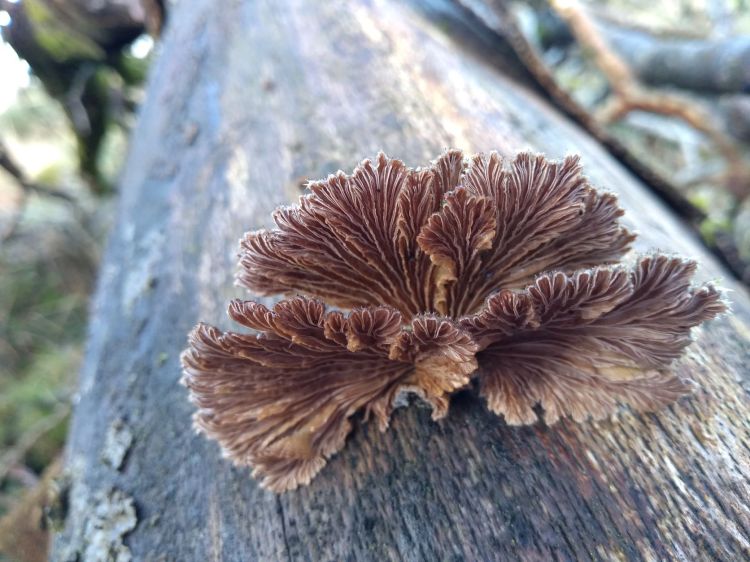
Another fungus which looks bracket-like at first glance is the Split-gill Mushroom (Schizophyllum comune). It has a pale fan-shaped cap edged with a lilac fringe. Underneath, showing that it is not a bracket, are the beautiful branching gills from which it gets its name.
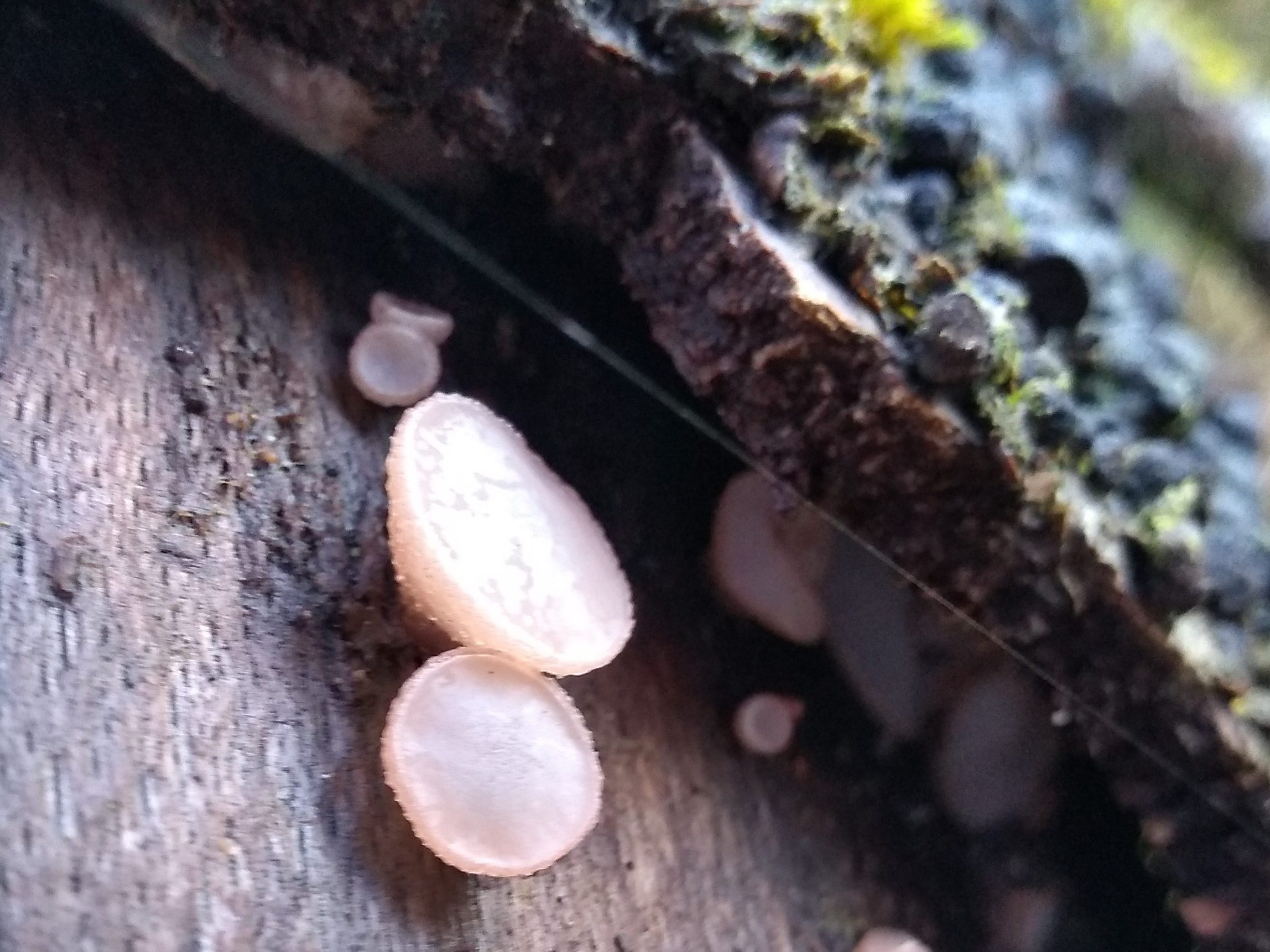
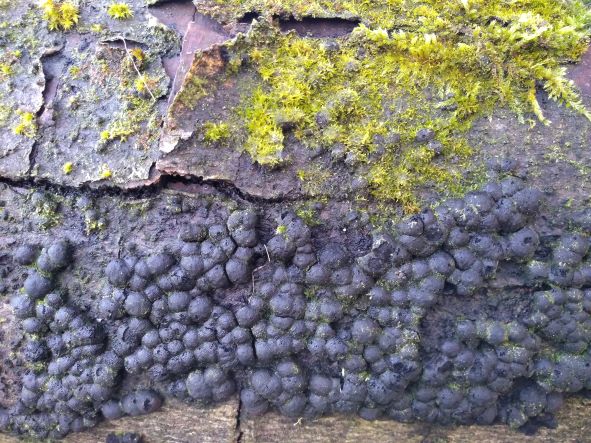
On the trunk, various forms of jelly fungus, including the distinctively shaped Jelly Ear (Auricularia auricula-judae), usually associated with Elder but also found on hardwoods like Beech. The pale pink Beech Jellydisc and the dark ‘blob’ as yet to be identified.


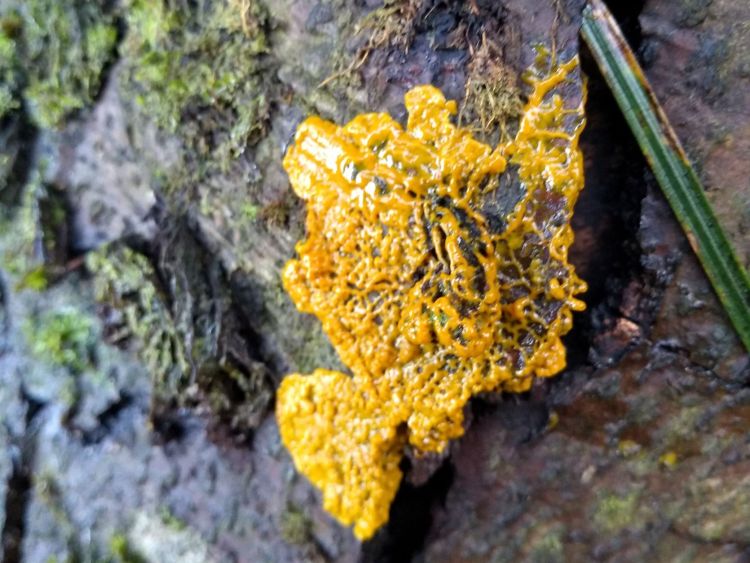
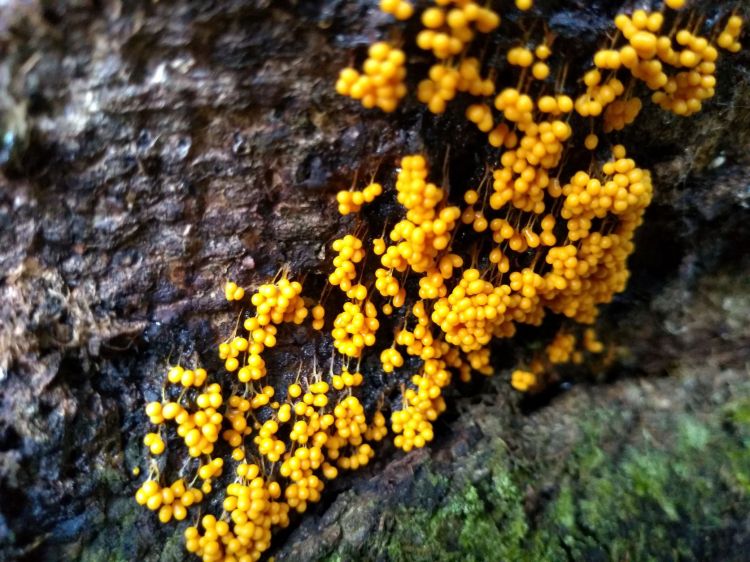
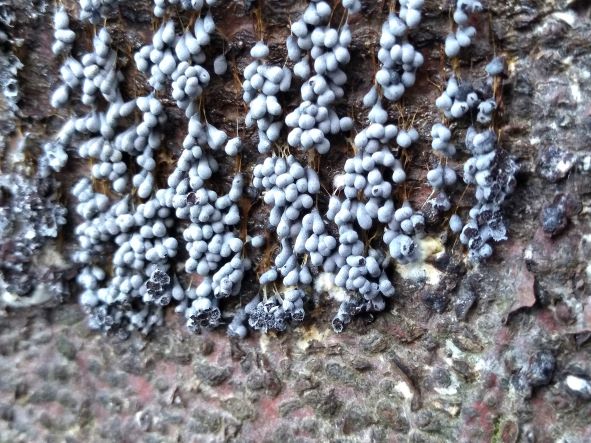
The most fascinating and colourful though has to be the slime mould Badhamia utricularis which feeds not on the wood itself but on fungi on the surface. It is first seen as bright orange plasmodium slime spreading across the surface as a network of ‘veins’. These eventually coalesce into a mass of tiny bead-like fruiting bodies on fine threads. As they mature they turn grey and dry out before releasing the spores within.
The organisms growing on the rotting Beech were all different colours, shapes and textures. Flick through the gallery to see more examples.
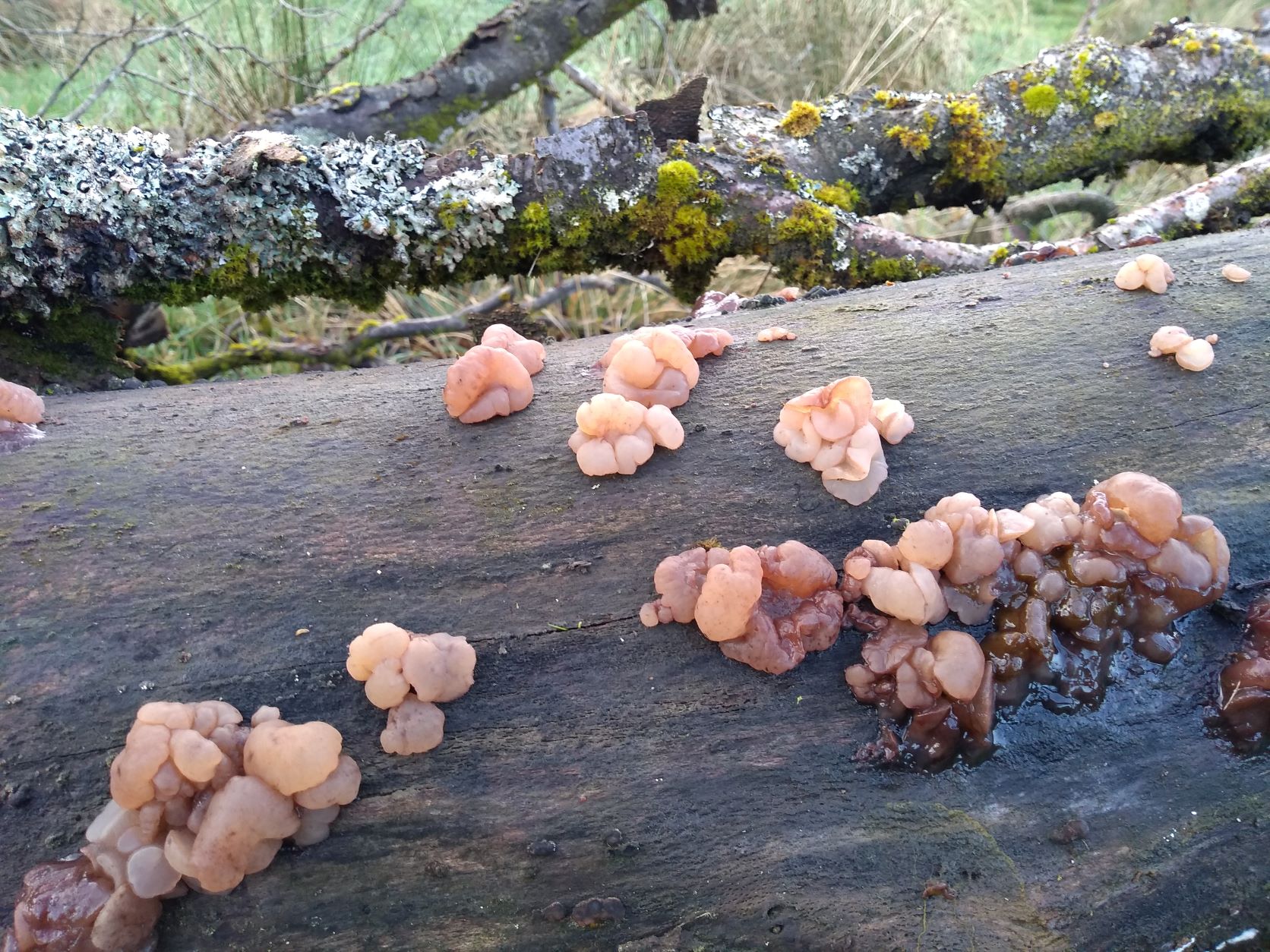

I’m hoping I’ve identified all of these correctly but please add a comment below if you think otherwise or if you know the names of any of the unidentified ones.
Report and photographs by Kirsty Menzies
 Paisley Natural History Society
Great read – will aim to go to visit this spot from neighbouring Neilston soon
LikeLike
Thank you, glad you liked the post. It’s a lovely walk from the Killoch Glen up over the Fereneze Braes and around the golf course to this spot, so enjoy. Please let us know if you see anything interesting or if you have any photos you’d like to share on our website or Facebook page.
LikeLike
I live near here but I can’t figure out whereabouts it is on a current map. I would love to explore. Do you know if it is accessible from the Boylestone estate/farm side?
LikeLike
Hi Clare
If you go up the track off Boylestone Road past where the stables used to be and then follow the track uphill you will come to the Beech trees and fallen tree. They are on the edge of the field along the west side of Boylestone Quarry.
LikeLike