perception, polymorphism, and camouflage in butterflies and moths
Jamie C. Weir (Institute for Ecology and Evolution, University of Edinburgh)
9 January 2025
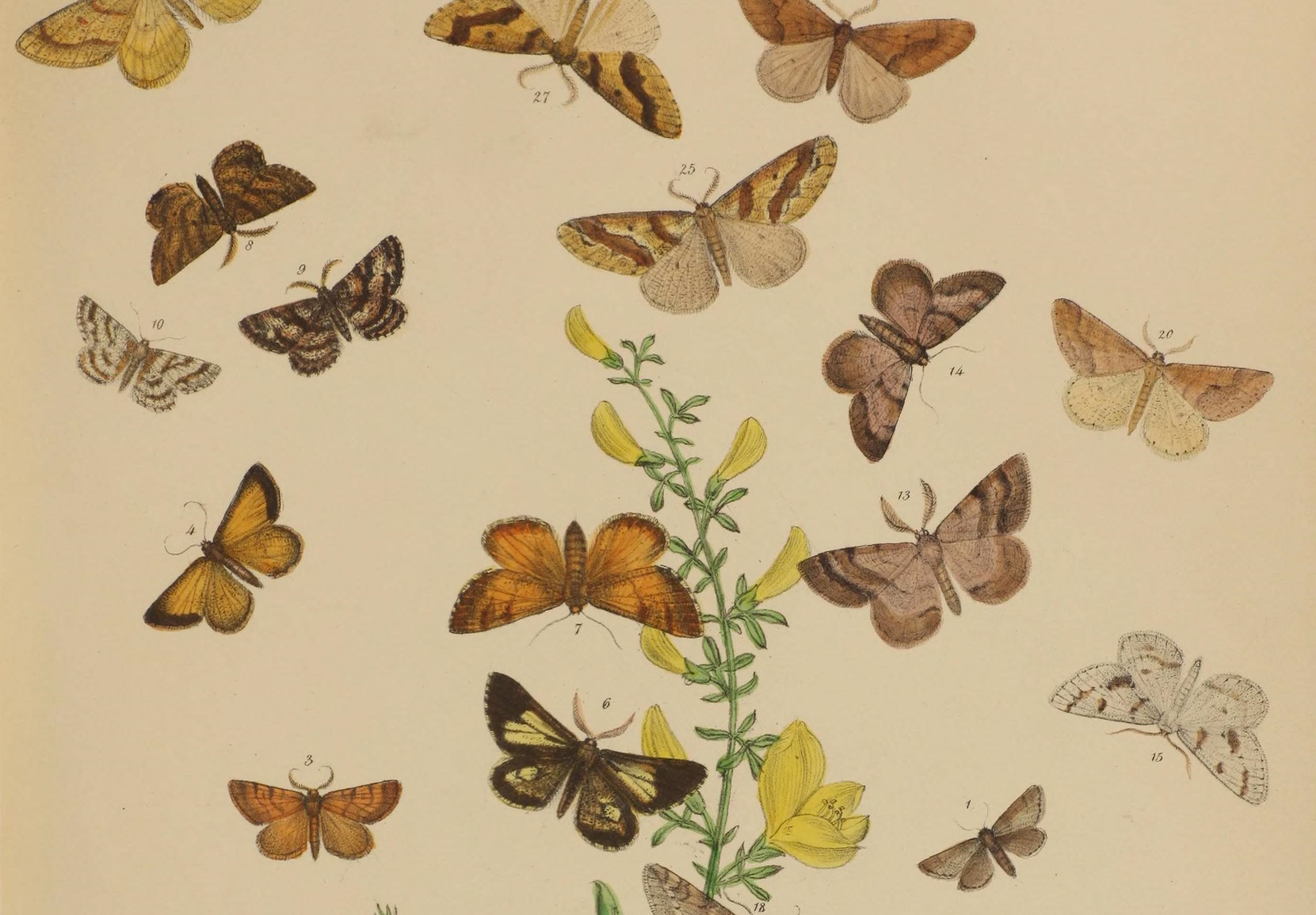
Animals display an extraordinary diversity of body colours and patterns. Explaining the functional significance of wing colouration in butterflies and moths has been a topic of enduring fascination for biologists for centuries.
Camouflage is perhaps the most widely known form of adaptive colouration, and we typically think of animals as being adapted principally to their environmental surroundings—the colours of desert animals are very different to those of jungle animals. However, in this talk I will consider a different perspective. I will emphasise how animal colouration is fundamentally a form of communication, and that the colours of animals and plants cannot be understood except through the eyes of other organisms. In particular, I will explore the idea of ‘search images’—a behavioural technique adopted by predators to find camouflaged prey—and how this aspect of predatory perception (and, indeed, psychology) can drive the evolution of prey colouration in unique and unexpected directions.
 Paisley Natural History Society