Saturday 26th July 2025
Boylestone Quarry is a geological SSSI on the outskirts of Barrhead. The site was quarried for road metal but has been disused for decades. The main mineralogical interest of the quarry is the presence of prehnite (calcium aluminium silicate). The walls of the quarry also feature a good example of two different periodic lava flows separated by a layer of volcanic ash. It is also a fascinating site for wildlife as it contains a number of habitats including scrub woodland, marshy and dry grasslands, quarry lake, scree and gravelly soil.
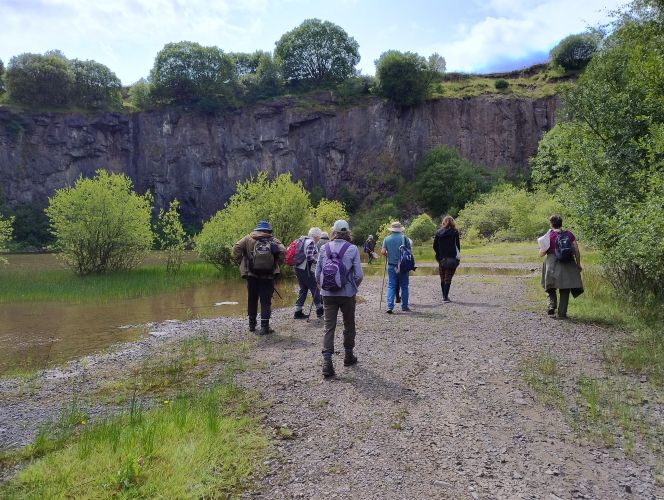
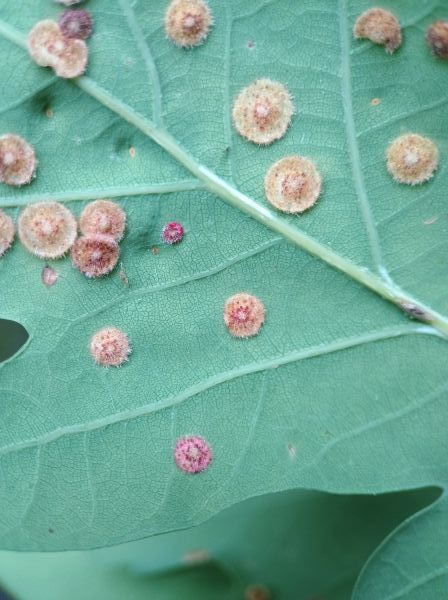
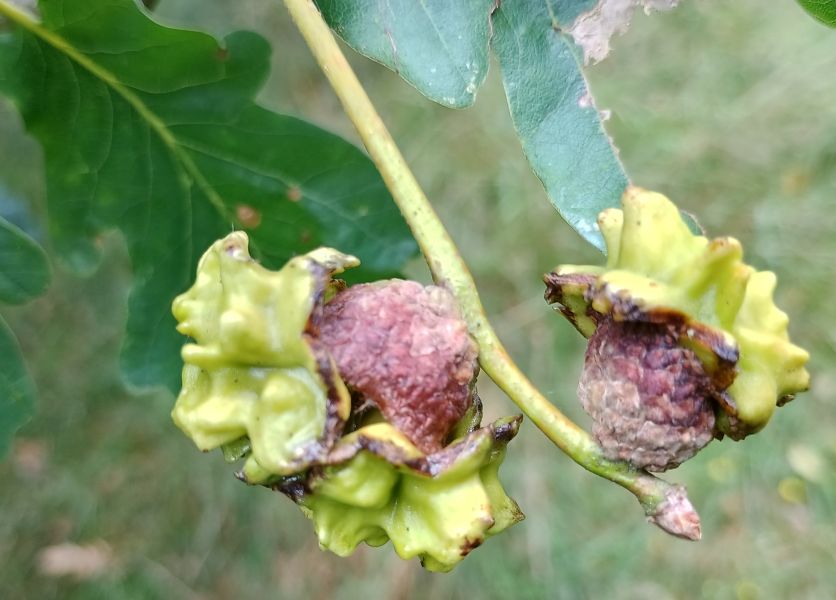
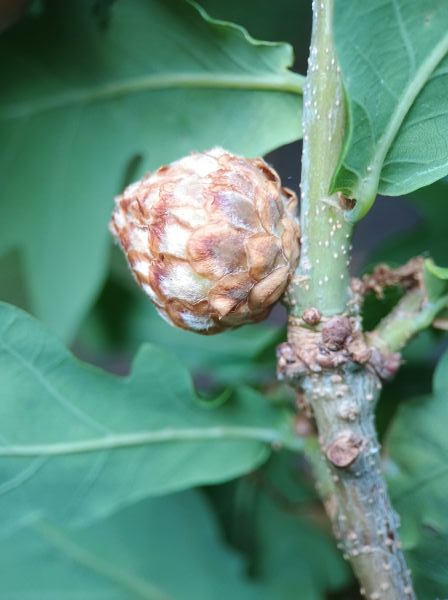
Members of Paisley Natural History Society met up with others from Glasgow Natural History Society at Brownside Farm, Paisley. A group of 17 headed towards the quarry via Brownside Braes and along the way some interesting galls were spotted on oak trees – common spangle, oyster, knopper and artichoke galls, caused by the parasitic wasps Neuroterus quercusbaccarum, Neuroterus anthracinus, Andricus quercuscalicis and Andricus foecundatrix.
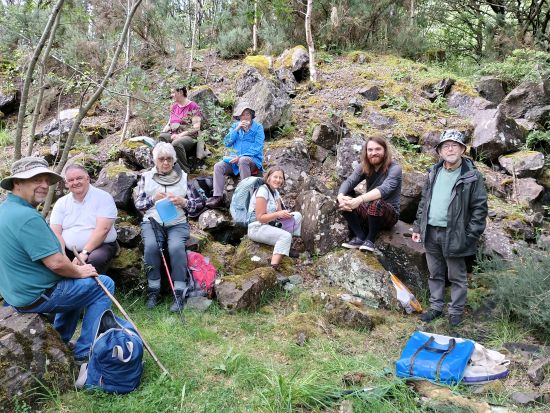
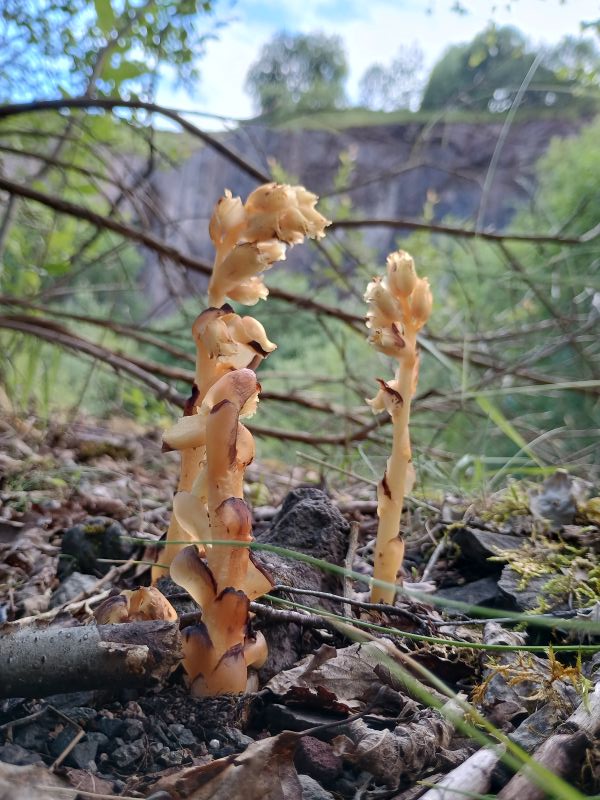
Once we reached the quarry we lunched in the shade of some trees and admired the Common Wintergreen (Pyrola minor) and Hawkweeds (Hieracium species) growing in the shelter of a rocky mound. Some other uncommon plants spotted in the quarry were Pale Toadflax (Linaria repens), the saprophytic Yellow Bird’s-nest (Monotropa hypopytis), Common Twayblade (Neottia orate), Common Centaury (Centaurium erythraea) and American Blue-eyed Grass (Sisyrinchium montanum).
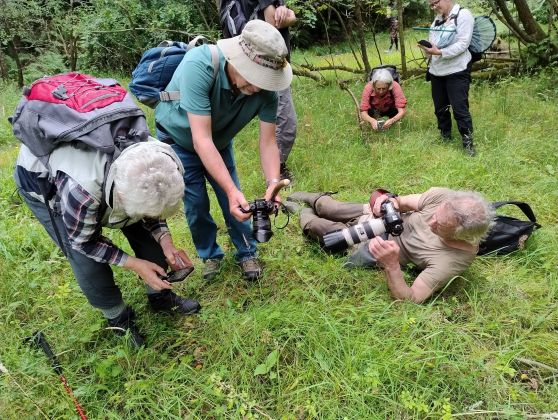
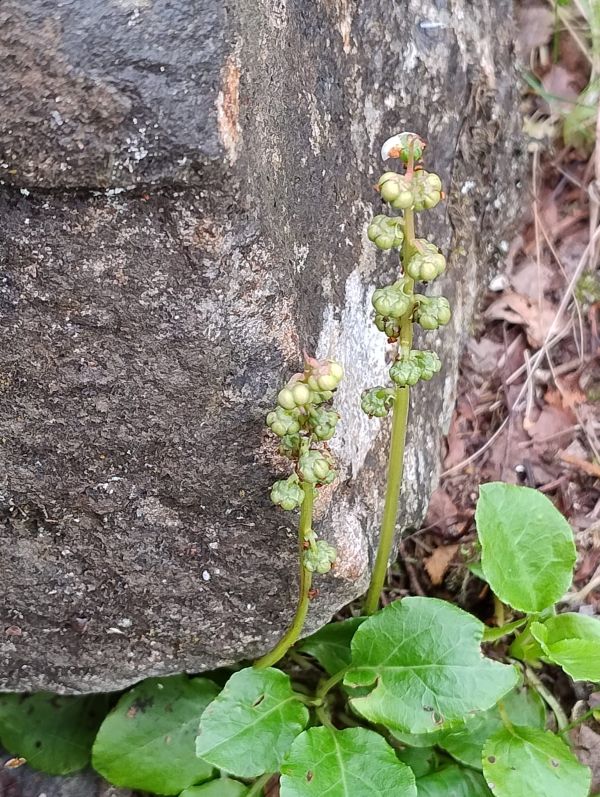
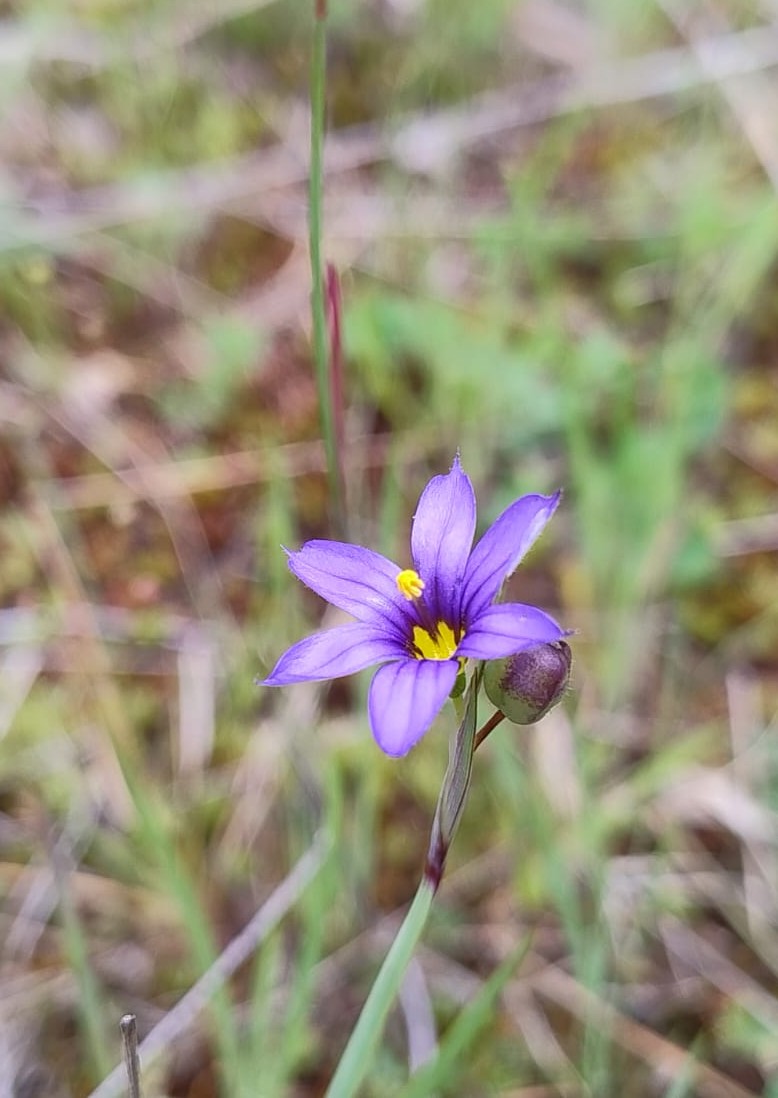
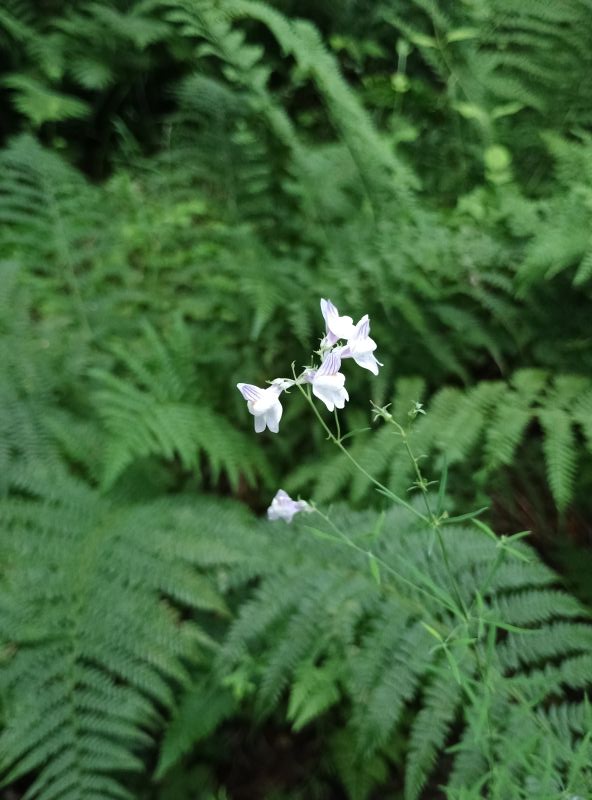
As we examined the plants we spotted lots of little toadlets (Bufo bufo) and some larger frogs (Rana temporaria) which had left the spawning ground of the quarry lake and were crawling through the vegetation trying to avoid our muckle feet and make their way safely into the world. Other highlights of the quarry were the Common Blue (Polyommatus icarus) and Small Skipper (Thymelicus sylvestris) butterflies, possibly the first record of the Small Skipper in Renfrewshire. Both species were very obliging and stayed still for photographs, unlike the Common Blue damselflies (Enallagma cyathigerum) and Common Darter (Sympetrum striolatum) dragonflies which moved off as soon as a lens came near.
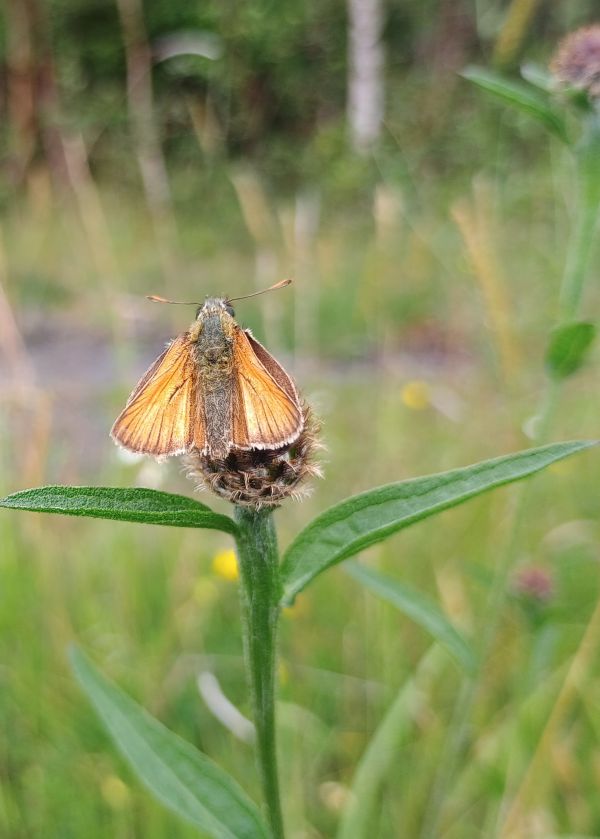
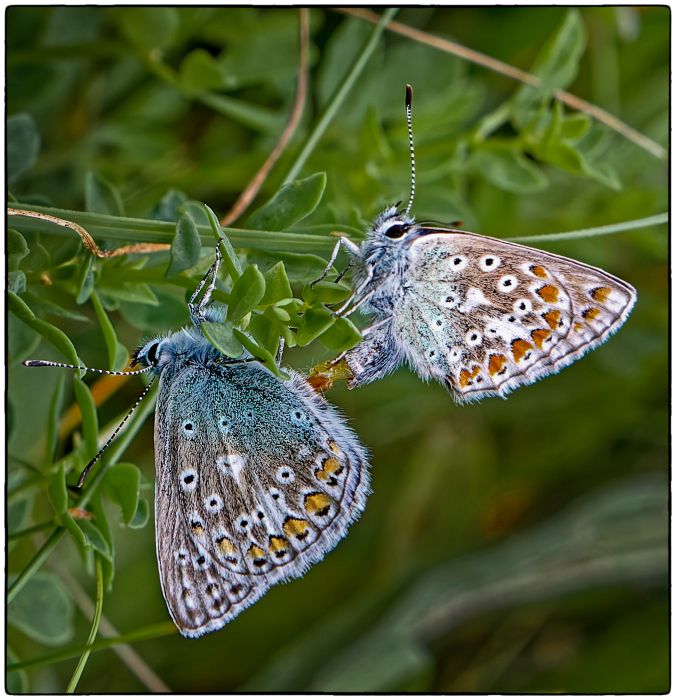
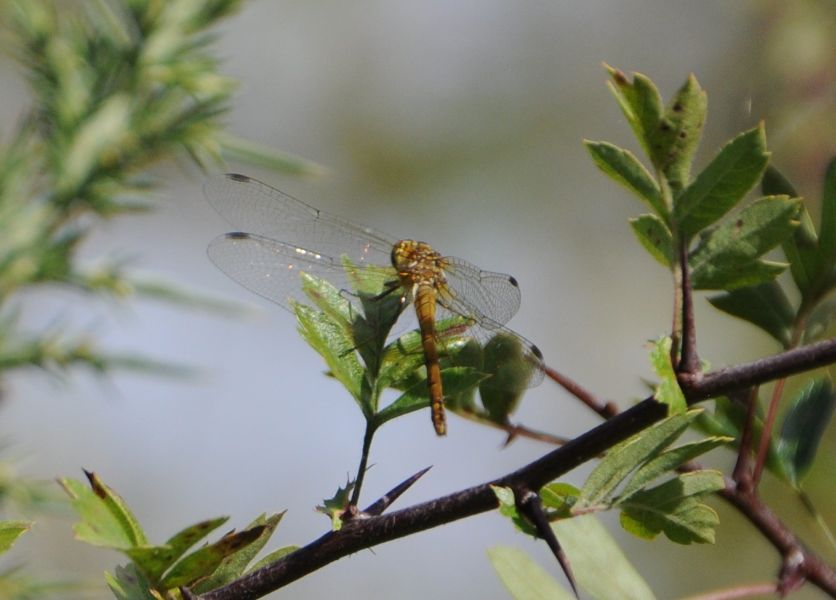
With huge thanks to Gill Smart, Richard Weddle and Paul Cobb for recording on the day and to Pat Thomson and Andrew Wilson for sharing their photographs. We managed to note 74 species, of which 58 were insects.
Kirsty Menzies
 Paisley Natural History Society