PNHS has had a botany-filled fortnight starting with the first of our study group visits to Whinnerston Braes on 29 June followed by our Beginners Botany outing on 6 July.
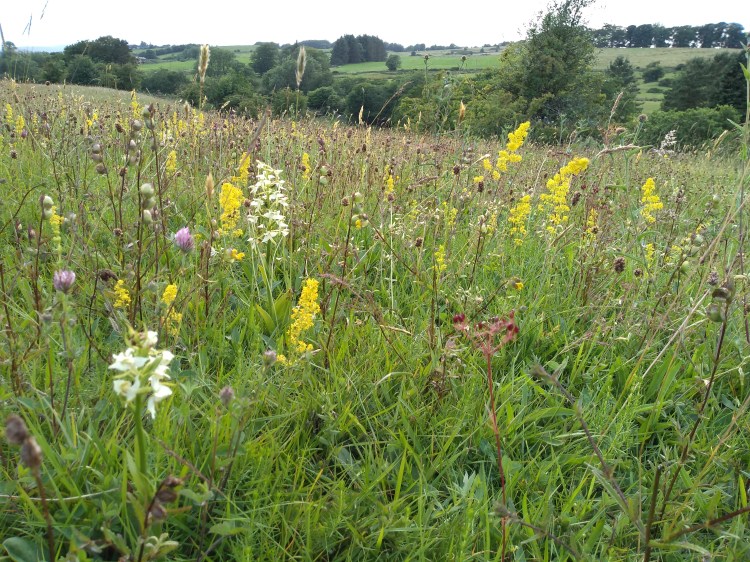
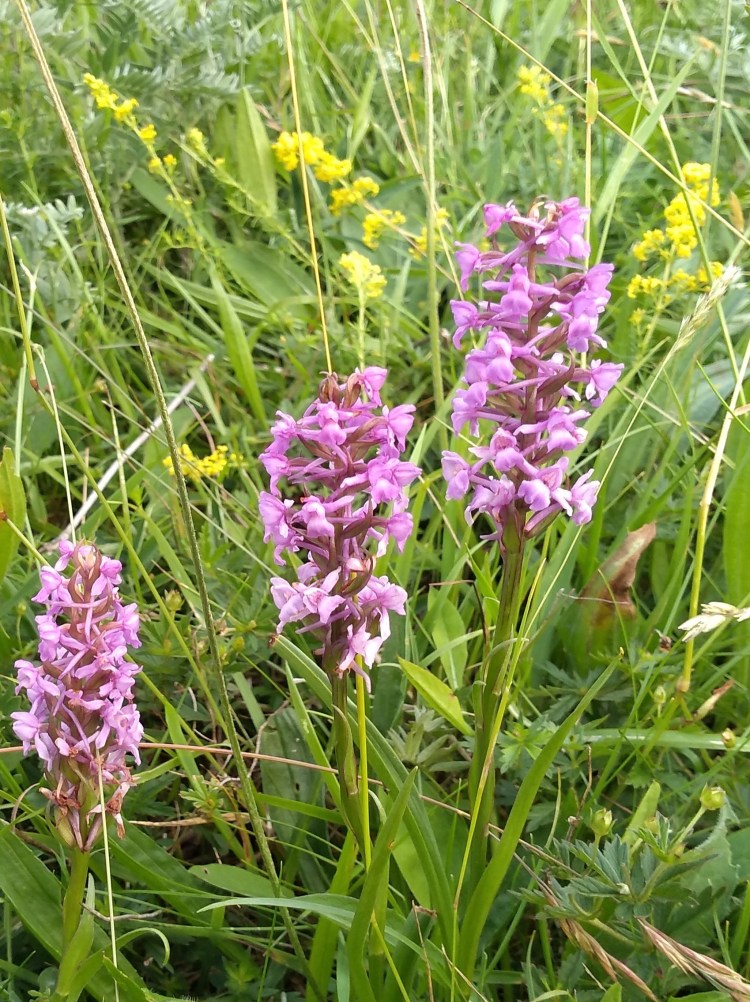
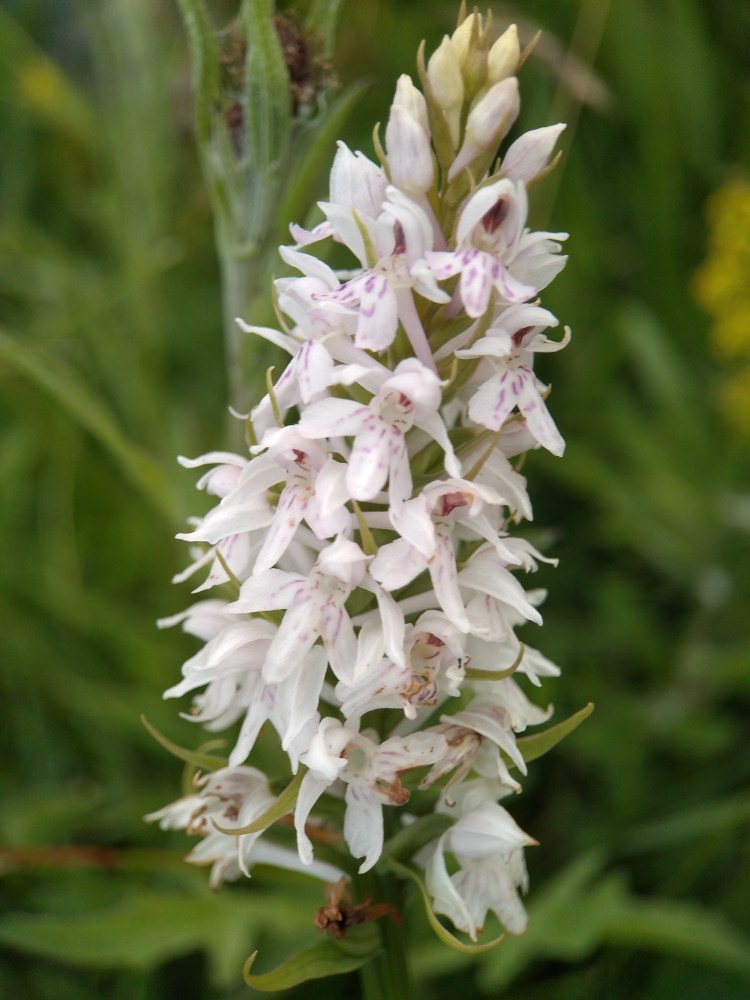
Whinnerston Braes is a Site of Special Scientific Interest for its flower-rich grassland and a group of us went along to have a look and hear how the owner carefully manages the land to maintain its plant biodiversity. The range of species was certainly impressive and we were particularly struck by the number of orchids, as shown in the photographs below.
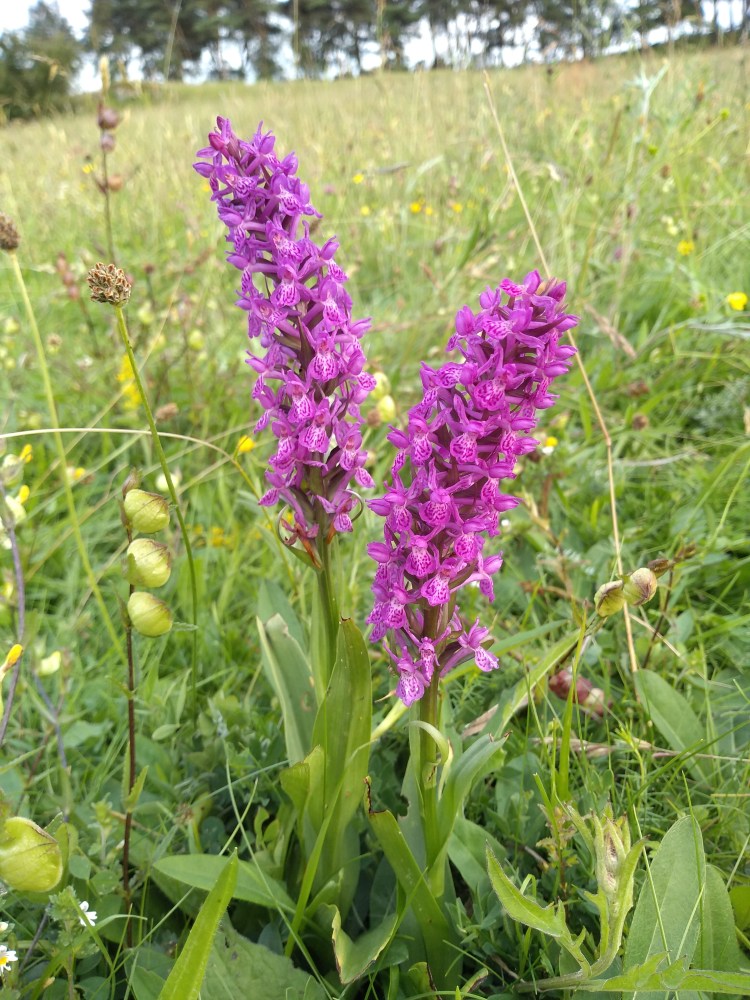
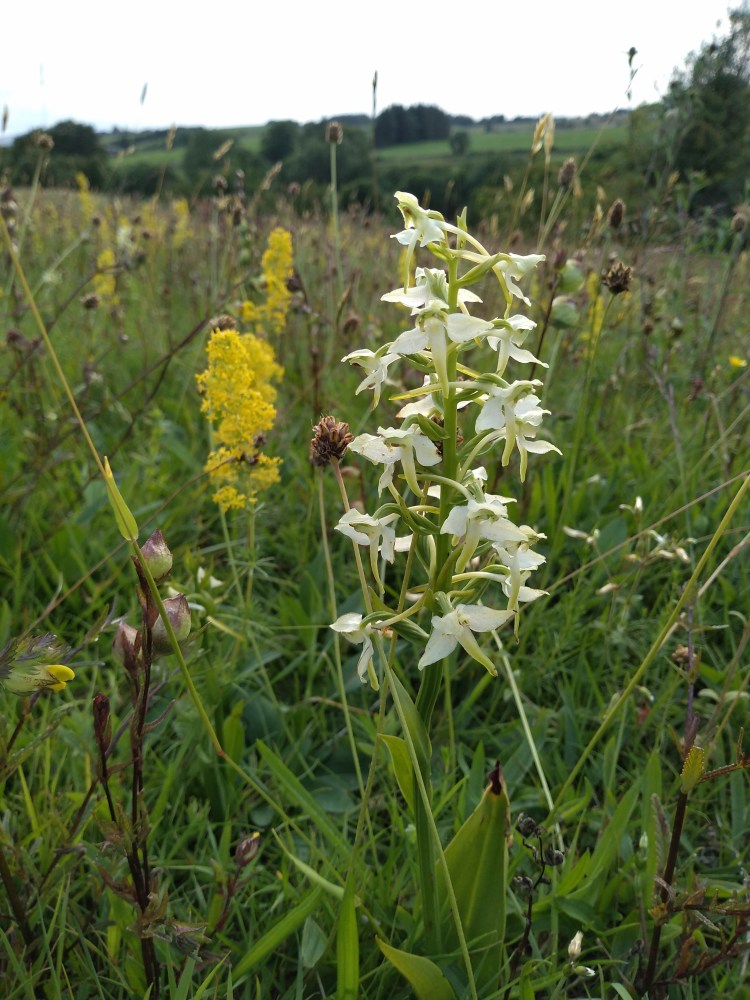
The following week at our Beginners Botany outing in the grasslands of Thornly Park we only found two types of orchid but there were plenty of other plant species of interest and we came away at the end of the evening with our heads full of fascinating facts about them. You can read more about it in the outing report.
If you are interested in botany, whether a beginner or more experienced, you would be most welcome to join the vc76 Botany Network for Renfrewshire vice-county. A few of our PNHS members are also members of the network and enjoy regular outings to record all the species we see in both rural and urban areas. We always learn something new on the outings, be it plants we’ve not encountered before or useful identification tips. You can find out more about the group in their Summer 2023 newsletter and find out what outings they have planned in the 2023 programme.
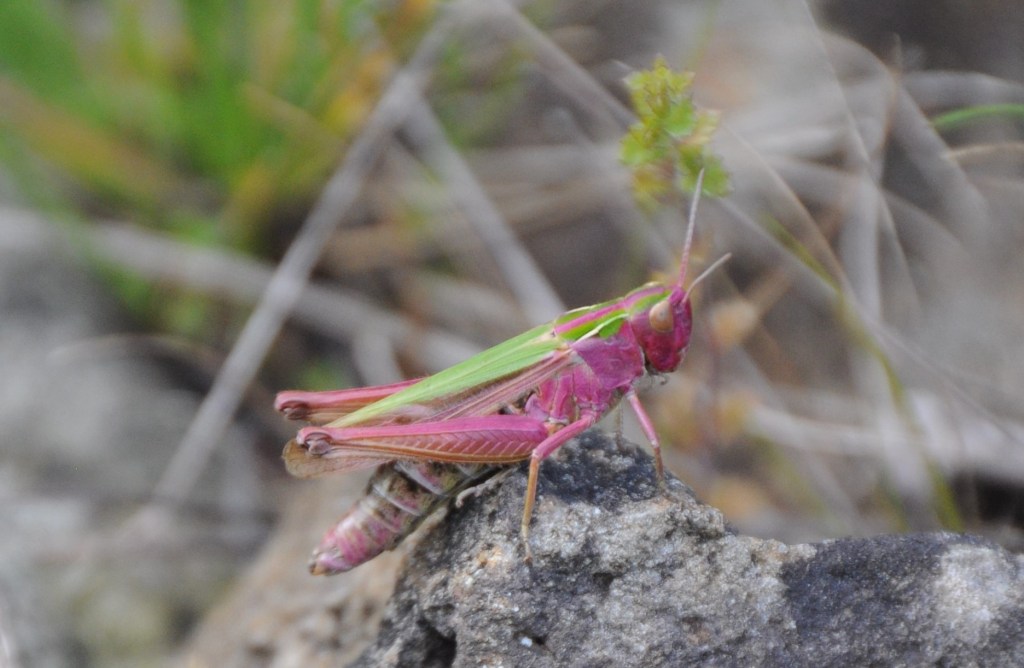
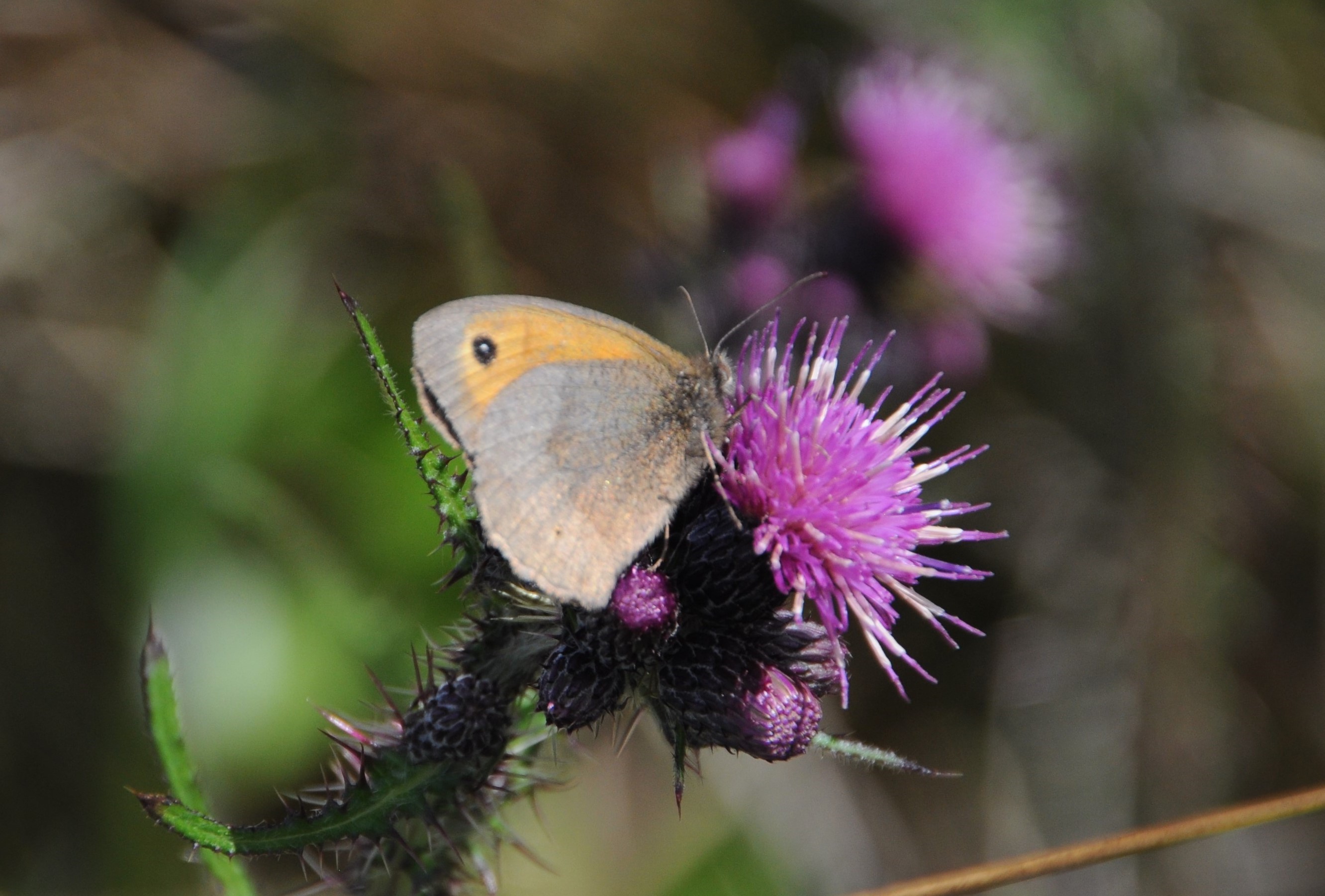
If you’re out exploring grasslands you may hear the chirruping of grasshoppers and if you are lucky will see them leaping from plant to plant. Dave Mellor has put together an ID guide for Renfrewshire Grasshoppers. There’s only four (and one groundhopper) and so they’re easy to learn and record. Word-of-mouth reports indicate that it has not been a good summer for insects, with numbers down on previous years. It is only through people regularly recording what they see and hear that we have data to evidence this. One insect that seems to have bucked the trend is the Meadow Brown butterfly. It is a common grassland butterfly and its caterpillars feed on a range of grasses, particularly fescues (Festuca spp.), bents (Agrostis spp.) and meadow- grasses (Poa spp.). You can learn more about our local butterflies in this guide to Renfrewshire Butterflies. The Big Butterfly Count starts this Friday 14 July and runs until Sunday 6 August. The website has lots of advice on identifying and recording butterflies, so check it out and get counting.
Whether your interest is plants or insects or both, grasslands are fascinating places to visit and you can’t beat sitting in a meadow on a hot balmy day listening to the air filled with the chirruping of grasshoppers and watching butterflies, bees and other insects flitting from flower to flower.
 Paisley Natural History Society